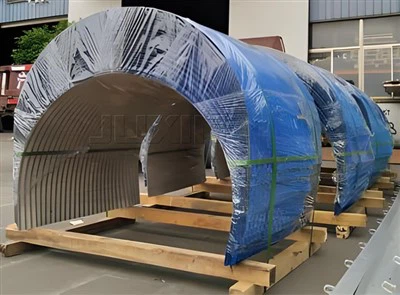
Humidity, a seemingly innocuous environmental factor, can have far - reaching and complex impacts on an idler frame. As a trusted idler frame supplier, I've witnessed firsthand how variations in humidity levels can affect the performance, durability, and overall quality of our products. In this blog, I aim to delve into the science behind these effects and offer insights on how to mitigate potential damage.
Chemical and Physical Changes Due to Humidity
One of the most immediate and noticeable impacts of humidity on an idler frame is the onset of corrosion. When an idler frame, typically made of metal such as steel, is exposed to high humidity, the water molecules in the air can react with the metal to form metal oxides. For instance, iron in steel reacts with oxygen and water to create iron oxide, commonly known as rust. Rust not only degrades the aesthetic appearance of the idler frame but also weakens its structural integrity. As rust spreads, it can cause pitting on the surface of the frame. These pits act as stress concentrators, increasing the likelihood of cracks forming under load. Over time, the structural strength of the idler frame can be significantly reduced, leading to premature failure.
High humidity can also cause swelling and warping in idler frames that have non - metal components, such as certain types of plastic or composite materials. These materials absorb the moisture from the air, and as they do so, their dimensions change. Swelling can lead to improper fits within the conveyor system. For example, if the idler frame swells, it may not align correctly with the conveyor rollers, causing uneven wear on both the frame and the rollers. This can disrupt the smooth operation of the conveyor belt, leading to increased energy consumption and potential product spillage.
At the molecular level, humidity can disrupt the internal bonds of the materials used in the idler frame. In the case of plastics, the absorbed water molecules can interfere with the intermolecular forces that hold the polymer chains together. This can result in a decrease in the material's hardness and stiffness, making it more susceptible to deformation.
Impact on Lubrication
Lubrication is crucial for the proper functioning of an idler frame. It reduces friction between moving parts, such as the bearings and the frame, and helps to dissipate heat. However, humidity can have a negative impact on lubricants. When the air is humid, water can mix with the lubricant, causing it to emulsify. An emulsified lubricant loses its ability to form a proper lubricating film between the contacting surfaces. This increases friction, which in turn generates more heat. Excessive heat can further break down the lubricant, leading to a vicious cycle of deterioration.
In addition, water in the lubricant can accelerate the corrosion of the metal parts within the idler frame. The lubricant, which is supposed to protect the metal, becomes a medium through which the corrosion process can occur more rapidly. The presence of water can also cause the growth of microorganisms in the lubricant, especially in the case of biodegradable lubricants. These microorganisms can degrade the lubricant and produce acids that further corrode the idler frame.
Operational Challenges
From an operational perspective, humidity can cause problems with the alignment of the idler frame. As mentioned earlier, swelling and warping can lead to misalignment. This misalignment can cause the conveyor belt to run off - center, which is a common and serious issue in conveyor systems. A misaligned belt can cause excessive wear on the edges of the belt, leading to premature belt failure. It can also result in uneven distribution of material on the belt, affecting the overall efficiency of the conveyor system.
Moreover, humidity can affect the electrical components that are sometimes associated with idler frames, such as sensors or control systems. High humidity can cause electrical shorts or corrosion of electrical contacts. This can lead to malfunctioning of the sensors, which are crucial for monitoring the performance of the idler frame and the conveyor system. For example, a moisture - damaged sensor may give false readings, leading to improper adjustments in the conveyor system and potentially causing more significant problems.
Mitigation Strategies
As an idler frame supplier, I understand the importance of providing solutions to counter the effects of humidity. One of the most effective ways to protect idler frames from humidity is through surface treatment. Applying protective coatings such as paint, galvanizing, or powder coating can create a barrier between the metal surface of the idler frame and the humid air. These coatings prevent water and oxygen from reaching the metal, thus reducing the risk of corrosion.
Proper ventilation is also essential. In warehouses or industrial facilities where idler frames are stored or used, good ventilation can help to reduce the humidity levels. Installing dehumidifiers can be an effective way to control humidity in enclosed spaces. Dehumidifiers remove moisture from the air, maintaining a lower and more stable humidity level.
For the lubrication of idler frames, using moisture - resistant lubricants is crucial. These lubricants are designed to repel water and maintain their performance even in humid conditions. Regular inspection and maintenance of the lubrication system are also necessary to ensure that the lubricant is in good condition and that there are no signs of water contamination.
Highlight of Our Products
At our company, we offer a wide range of high - quality idler frames to meet the diverse needs of our customers. Our Carrying Idler Frame is designed to support the weight of the conveyor belt and the material being transported. It is made from high - grade materials that are resistant to corrosion and other environmental factors, including humidity. Our Self Aligning Idler Frame is equipped with a self - aligning mechanism that helps to correct belt misalignment, even in challenging humidity conditions. And our Conveyor Roller Bracket is a crucial component that provides stable support for the conveyor rollers, ensuring smooth and efficient operation of the conveyor system.
Contact for Purchase and Consultation
Understanding the impact of humidity on an idler frame is essential for ensuring the long - term performance and reliability of conveyor systems. Whether you are in the process of building a new conveyor system or need to replace existing idler frames, we are here to help. Our team of experts has in - depth knowledge of idler frame technology and can provide professional advice on selecting the right products for your specific environment, including high - humidity conditions.
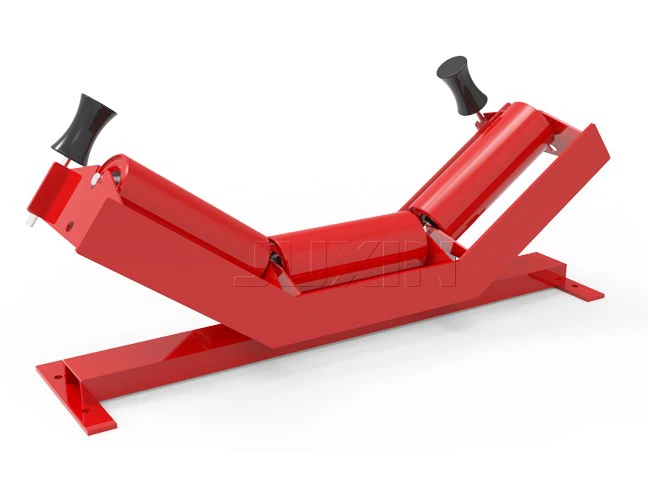

If you are interested in learning more about our idler frames or have any questions regarding the impact of humidity, please get in touch with us. We look forward to starting a discussion with you and providing you with the best idler frame solutions to meet your needs.
References
- Smith, J. (2020). "Corrosion of Metals in Humid Environments". Journal of Materials Science.
- Johnson, R. (2019). "Lubrication in Industrial Conveyor Systems: Effects of Humidity". Industrial Lubrication Review.
- Williams, M. (2021). "Environmental Factors Affecting Conveyor Belt and Idler Frame Performance". Conveyor Technology Journal.