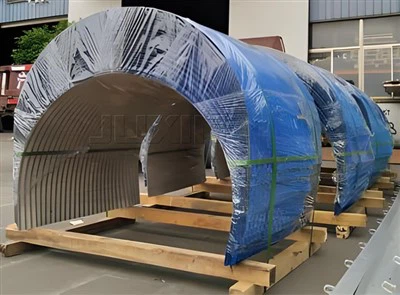
Alright, folks! As a seasoned supplier of conveyor stringers, I've seen it all when it comes to wear and tear on these crucial parts. Today, I'm gonna break down the signs of a damaged conveyor stringer for you. Whether you're running a small workshop or a large industrial facility, understanding these signs can save you a ton of headaches and cash in the long run.
Visible Physical Damage
Let's start with the most obvious stuff - visible physical damage. When you're doing your regular inspections, keep an eye out for cracks on the stringer. Cracks can start small, but if left unchecked, they can quickly spread and weaken the entire structure. You might think, "Eh, it's just a tiny crack," but trust me, it can lead to big problems down the line. For example, a small crack on the side of a Conveyor Stringer Frame can cause misalignment of the conveyor belt, which in turn can cause uneven wear on the belt and other components.
Another thing to look for is deformation. If the stringer looks bent or warped, that's a major red flag. This can happen due to overloading, improper installation, or just from years of heavy use. A deformed stringer won't support the conveyor belt properly, and it can cause the belt to sag or even come off the tracks. I've seen many cases where a slightly bent stringer was ignored, and it ended up causing a complete conveyor system shutdown. So, don't ignore those odd shapes!
Signs of Wear and Tear
Wear and tear are inevitable when it comes to conveyor stringers. One of the key signs is excessive abrasion. You'll notice that the surface of the stringer is getting rough and some of the material might even be chipping off. This usually happens when the conveyor belt is rubbing against the stringer too harshly. Over time, this abrasion can eat away at the stringer, weakening it and reducing its lifespan.
Corrosion is also a big deal, especially if your conveyor is operating in a humid or corrosive environment. Rust spots on the stringer are a clear indication that the metal is starting to break down. Corrosion not only weakens the structure but can also contaminate the products being transported on the conveyor. If you see any signs of rust, it's important to take action right away to prevent further damage.
Performance Issues
Now, let's talk about performance. If you notice that the conveyor belt is not running smoothly, it could be a sign of a damaged stringer. A damaged stringer can cause the belt to vibrate more than usual, which can be felt and sometimes even heard. Unusual noises like rattling or grinding are often a sign that something's wrong with the stringer - perhaps it's loose or misaligned.
Another performance-related issue is belt tracking problems. If the belt is constantly drifting to one side, it could be because the stringer is not providing the proper support or alignment. This can lead to uneven wear on the belt and other components, and if not fixed, it can eventually cause the belt to break.
Impact on Safety
A damaged conveyor stringer is not just a performance issue; it's also a safety hazard. As the stringer weakens, there's an increased risk of the conveyor collapsing. This can cause serious injuries to your workers and damage to your equipment. Loose or damaged parts of the stringer can also pose a tripping or entanglement hazard. So, ensuring the integrity of your conveyor stringers is not just about keeping the production line running; it's about keeping your employees safe.
What to Do When You Notice These Signs
If you spot any of the signs I've mentioned, don't panic! First, stop using the conveyor immediately to prevent further damage and potential safety risks. Then, conduct a thorough inspection to assess the extent of the damage. In some cases, minor repairs might be enough to fix the problem. However, if the damage is severe, it's probably best to replace the stringer.
As a stringer supplier, I can offer you high - quality Belt Conveyor Stringer and Conveyor Stringer Frame solutions. I understand that every conveyor system is unique, and I'm here to help you find the right parts for your needs.


Importance of Regular Maintenance
Regular maintenance is the key to preventing damage to your conveyor stringers. Set up a schedule for inspections and cleaning. During inspections, check for the signs we've discussed - visible physical damage, wear and tear, performance issues, and so on. Clean the stringers regularly to remove any dirt, debris, or corrosive substances that might be building up.
By staying on top of maintenance, you can catch potential problems early and avoid costly breakdowns. It's a small investment of time and effort that can save you a lot of money in the long run.
Conclusion
Alright, I hope this blog has given you a good understanding of the signs of a damaged conveyor stringer. Remember, being proactive is the name of the game. Keep an eye out for these signs, do regular maintenance, and don't hesitate to replace a damaged stringer when needed.
If you're in the market for new conveyor stringers or have any questions about the ones you currently have, I'm here to help. Just reach out, and we can discuss how to keep your conveyor system running smoothly and safely.
References
- Industrial Conveyor Handbook
- Conveyor System Maintenance Guide