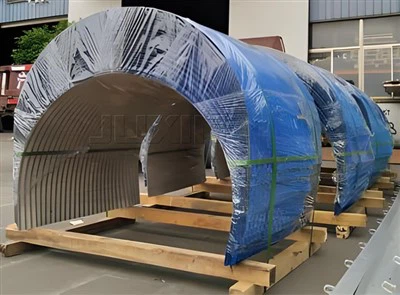
When it comes to industrial operations, stringers play a crucial role in the functionality of conveyor systems. As a trusted stringer supplier, we understand the importance of safety when using these components. In this blog post, we will delve into the key safety considerations that should be taken into account to ensure the smooth and secure operation of stringers in various industrial settings.
Understanding Stringers
Before we discuss safety considerations, it's essential to have a clear understanding of what stringers are. Stringers are structural components that provide support for conveyor belts and other conveyor system elements. They are typically made of steel or other durable materials and are designed to withstand the weight and stress of the conveyed materials. There are different types of stringers, such as Belt Conveyor Stringer and Conveyor Stringer Frame, each serving specific purposes in conveyor systems.
Pre - Installation Safety Checks
Site Inspection
Prior to installing a stringer, a thorough site inspection is necessary. The installation area should be free from any debris, obstacles, or potential hazards. Check for uneven surfaces, which could cause the stringer to be unstable. Ensure that there is adequate clearance around the stringer for maintenance and emergency access. The floor or foundation where the stringer will be installed must be able to support the weight of the stringer and the materials it will carry.
Component Inspection
Inspect all stringer components before installation. Look for any signs of damage, such as cracks, bends, or corrosion. Check the dimensions of the components to ensure they match the specifications of the conveyor system. Make sure that all fasteners, such as bolts and nuts, are in good condition and of the correct size. If any components are found to be defective, they should be replaced immediately to prevent safety issues during operation.
Installation Safety
Proper Lifting and Handling
Stringers can be heavy and awkward to handle. Use appropriate lifting equipment, such as cranes or forklifts, to move and position the stringers. Ensure that the lifting equipment is in good working condition and is rated to handle the weight of the stringer. When lifting the stringer, use proper slings or attachments to prevent it from slipping or falling. All personnel involved in the lifting and handling process should be trained in the safe use of the equipment.
Correct Alignment
Proper alignment of the stringer is crucial for its safe and efficient operation. Misaligned stringers can cause the conveyor belt to run off - track, leading to increased wear and tear on the belt and other components. Use alignment tools, such as laser alignment systems, to ensure that the stringer is installed straight and level. Check the alignment at multiple points along the length of the stringer to ensure accuracy.
Secure Fastening
All stringer components must be securely fastened together. Tighten all bolts and nuts to the specified torque values. Loose fasteners can cause the stringer to vibrate, which can lead to structural damage over time. Regularly check the fasteners during the initial operation period to ensure they remain tight.
Operational Safety
Operator Training
Operators of conveyor systems with stringers should receive comprehensive training. They should be familiar with the operation of the conveyor system, including how to start, stop, and adjust the speed. Training should also cover safety procedures, such as how to respond to emergencies, how to perform basic maintenance tasks, and how to identify potential safety hazards. Operators should be aware of the maximum load capacity of the stringer and should not exceed it.
Load Distribution
Ensure that the load is evenly distributed on the conveyor belt supported by the stringer. Uneven load distribution can cause excessive stress on certain parts of the stringer, leading to premature failure. If the conveyed materials vary in size and weight, use appropriate feeding mechanisms to ensure a more uniform load distribution.


Regular Maintenance
Regular maintenance is essential for the safe operation of stringers. Inspect the stringer regularly for signs of wear, damage, or corrosion. Check the fasteners for tightness and replace any worn or damaged components. Lubricate moving parts, such as bearings, as recommended by the manufacturer. Keep the stringer clean to prevent the buildup of debris, which can affect its performance.
Emergency Preparedness
Safety Devices
Install appropriate safety devices on the conveyor system with stringers. These may include emergency stop buttons, safety guards, and belt misalignment sensors. Emergency stop buttons should be easily accessible from all areas of the conveyor system. Safety guards should be in place to prevent personnel from coming into contact with moving parts. Belt misalignment sensors can detect when the belt is running off - track and automatically stop the conveyor to prevent damage.
Emergency Response Plan
Develop an emergency response plan for the conveyor system. The plan should include procedures for dealing with fires, equipment failures, and personnel injuries. All employees should be familiar with the emergency response plan and should know where to find emergency equipment, such as fire extinguishers and first - aid kits. Conduct regular emergency drills to ensure that all employees can respond quickly and effectively in case of an emergency.
Environmental Considerations
Temperature and Humidity
Extreme temperatures and high humidity can affect the performance and durability of stringers. In high - temperature environments, the stringer material may expand, which can cause stress on the components. In cold temperatures, the material may become brittle, increasing the risk of cracking. In humid environments, corrosion can be a significant issue. Take appropriate measures, such as using heat - resistant or corrosion - resistant coatings, to protect the stringer from these environmental factors.
Dust and Debris
In industrial settings, dust and debris can accumulate on the stringer and the conveyor belt. This can affect the operation of the conveyor system and increase the risk of fire or explosion in certain environments. Install dust collection systems to remove dust and debris from the area. Regularly clean the stringer and the surrounding area to prevent the buildup of flammable or explosive materials.
Conclusion
Safety is of utmost importance when using stringers in conveyor systems. By following the safety considerations outlined in this blog post, you can ensure the smooth and secure operation of your conveyor system. At our company, we are committed to providing high - quality stringers and ensuring that our customers are well - informed about safety best practices. If you have any questions about stringer safety or are interested in purchasing stringers for your industrial needs, we encourage you to contact us for a professional consultation and procurement negotiation.
References
- Conveyor Equipment Manufacturers Association (CEMA) standards.
- OSHA (Occupational Safety and Health Administration) guidelines for conveyor systems.
- Manufacturer's manuals and specifications for stringer products.