Can an impact bed improve the efficiency of the conveyor system?
Hey there! I'm a supplier of impact beds, and I've seen firsthand the impact (pun intended!) these nifty devices can have on conveyor systems. So, let's dive right in and explore whether an impact bed can really boost the efficiency of a conveyor system.
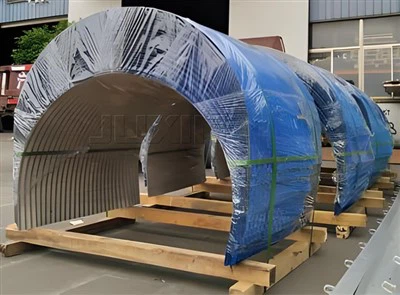
First off, let's talk about what an impact bed is. An impact bed is basically a support structure that's placed under a conveyor belt at loading points. Its main job is to absorb the impact of the material being loaded onto the belt, preventing damage to the belt and the conveyor structure. You can check out our Impact Bed for Belt Conveyor to get a better idea of what I'm talking about.
Now, onto the big question: can it improve conveyor system efficiency? The answer is a resounding yes! Here are some of the ways an impact bed can do just that.
1. Reducing Belt Damage
One of the biggest enemies of a conveyor system's efficiency is belt damage. When material is loaded onto the belt with a lot of force, it can cause the belt to wear out quickly. This leads to frequent belt replacements, which are not only costly but also result in significant downtime for the conveyor system.
An impact bed acts as a buffer, reducing the impact force on the belt. By doing so, it extends the lifespan of the belt, meaning you won't have to replace it as often. This translates to less downtime for maintenance and replacement, allowing the conveyor system to run more consistently and efficiently.
2. Preventing Material Spillage
Another issue that can hamper the efficiency of a conveyor system is material spillage. When the belt is damaged or not properly supported at the loading point, material can spill off the sides of the belt. This not only creates a mess but also leads to a loss of product.
Impact beds help keep the belt in a stable position and prevent it from shifting or sagging when material is loaded. This reduces the chances of material spillage, ensuring that all the material is transported along the conveyor belt as intended. You can see our Quarry Duty Impact Bed, which is specifically designed to handle heavy and abrasive materials often found in quarries and minimize spillage.
3. Improving Conveyor Belt Tracking
Proper belt tracking is crucial for the efficient operation of a conveyor system. If the belt is misaligned, it can cause uneven wear, increased friction, and even damage to the conveyor structure.
Impact beds are designed to provide a stable and level support for the conveyor belt, helping to keep it properly aligned. This reduces the need for constant adjustments and maintenance related to belt tracking, allowing the conveyor system to operate smoothly and efficiently.
4. Handling High-Impact Loads
In some industries, conveyor systems are required to handle heavy and high-impact loads. For example, in mining and construction, large chunks of ore or rocks are loaded onto the conveyor belt with a lot of force.


This is where our Heavy Duty Impact Bed comes in handy. It's built to withstand the high-impact forces associated with these types of loads, providing reliable support for the conveyor belt and ensuring that the system can handle the tough conditions without a hitch.
5. Energy Efficiency
An impact bed can also contribute to energy efficiency. When the conveyor belt is properly supported and there's less friction due to reduced belt damage and better tracking, the motor has to work less hard to move the belt and the material. This can result in lower energy consumption, which not only saves money but also makes the conveyor system more environmentally friendly.
Real-World Examples
I've worked with many clients who have seen significant improvements in their conveyor system efficiency after installing our impact beds. For instance, a mining company was facing frequent belt replacements and a high rate of material spillage. After installing our heavy-duty impact beds at their loading points, they noticed a drastic reduction in belt damage and spillage. This led to a decrease in maintenance costs and an increase in the overall throughput of their conveyor system.
Another client, a food processing plant, was having issues with belt tracking and energy consumption. Our impact beds helped to keep the belt properly aligned, reducing the need for manual adjustments. As a result, the plant saw a decrease in energy usage and an improvement in the reliability of their conveyor system.
Conclusion
So, to sum it up, an impact bed can definitely improve the efficiency of a conveyor system. By reducing belt damage, preventing material spillage, improving belt tracking, handling high-impact loads, and contributing to energy efficiency, it can save you time, money, and a lot of headaches.
If you're looking to boost the performance of your conveyor system, I highly recommend considering an impact bed. Our company offers a wide range of impact beds to suit different needs and applications. Whether you're in a quarry, a mine, a food processing plant, or any other industry that uses conveyor systems, we've got you covered.
If you're interested in learning more about our impact beds or discussing how they can benefit your conveyor system, don't hesitate to reach out. We'd be more than happy to have a chat with you and help you find the perfect solution for your needs.
References
- Conveyor Belt Handbook, various industry studies on conveyor system efficiency.