Introduction: Shifting the Narrative from Cost to Strategic Investment
The problem that operations and maintenance managers often encounter is formidable, and it is this: they are aware that their old and worn bulk handling conveyor system is a deep profit pit, and they are witnesses to accidents due to emergency calls, high part rush fees, and to the cleanup of spillages, which they have to do regularly. The true hurdle is not recognizing the problem, but successfully convincing senior stakeholders, particularly the CFO, that a major conveyor upgrade constitutes an essential investment, rather than merely a large capital expenditure (CapEx) cost.
The essence is that, as long as there is no hard, data-driven business case that can successfully convert mechanical breakdowns and systemic wastage into measurable financial damages (the Total Cost of Ownership, or TCO), the required infrastructure investments are regularly postponed. Mostly, they have been viewed as luxury expenses more than strategic investments that are essential in ensuring operational stability and competitiveness. An underperforming bulk material conveyor system has a direct impact on the bottom line.
This guide provides the complete framework needed to change that narrative for your bulk handling conveyors. It takes one through a holistic, 3-part audit, shows how to quantify savings on four vital pillars (Uptime, Maintenance, Energy, and Yield), and equips the user with a bulletproof Return on Investment (ROI) calculation. Following this structured approach is designed to transform the next conveyor upgrade proposal for your bulk material conveyor systems into a readily approved strategic initiative.

4 Signs Your Conveyor System Maintenance Strategy Needs a Major Overhaul
Before justifying a conveyor upgrade, it is necessary to establish the quantifiable Total Cost of Ownership (TCO) of the current, suboptimal system. This framing converts current operational pain points into material business risks for your bulk handling conveyors. It also helps make the case for a new approach to conveyor system maintenance.
The Real Price of Unplanned Interruption on Your Bulk Material Conveyor
Unplanned downtime is a one-time threat to the profitability of a bulk operation. Financial effects should be measured with strictness, and these extend way beyond repair labor hours. A sudden failure of a critical component within the bulk material conveyor systems creates a cascading effect that halts production across the entire plant or mine, highlighting a critical flaw in the existing conveyor system maintenance strategy.
Downtime cost analyses reveal that the loss entails four main factors, namely the lost revenue/profit, material cost, labor cost (overtime and idle time), and secondary damage, such as possible loss of goodwill. The fundamental algorithm to compute the gross financial loss will proceed by calculating the number of non-produced units: the multiplication between hours of downtime and the average production rate. The product of this value and the gross profit per unit will produce the total gross losses. For rapid assessment, industry analysts often estimate that downtime can cost between $427 per minute for small operations and up to $9,000 per minute for medium to large-scale operations, underscoring the severe urgency of quantification for these bulk material conveyor systems.
In case of a failure, the impact spreads exponentially to integrated supply chains. Once one part of a bulk handling conveyor system goes wrong, the rest of the downstream process, which includes specialized packaging up to designated distribution, comes to an immediate stop. Thus, the real cost of downtime should not only serve as a value of the lost margin on the material being moved around, but also as a temporary delay or cancellation of high-value later activities, such as shipping windows lost or customer fines. This shifts the motivation for a conveyor upgrade from merely a conveyor system maintenance issue to a comprehensive supply chain risk mitigation strategy, enabling the shift from unpredictable failures to predictable, high-margin throughput from your bulk handling conveyors.

From Budget Drain to Smart Spend: Escaping the Reactive Conveyor System Maintenance Cycle
A common issue in aging facilities is the prevalence of a reactive conveyor system maintenance strategy. This reactive approach to conveyor system maintenance, a common issue with older bulk handling conveyors, dictates that equipment is only addressed after it has failed. This culminates in the payment of large, emergency prices on parts, excessive rate of overtime labor, and the so-called domino effect of failure, when failure of a single small part, like a seized bearing, causes the devastating devastation of a motor or a pulley.
A strategic conveyor upgrade facilitates a critical shift in the budget narrative, moving expenditure away from unpredictable, inflated emergency costs and toward predictable, fixed costs associated with planned, proactive conveyor system maintenance. The goal of a conveyor upgrade is to enable a proactive conveyor system maintenance schedule. Installing a new bearing (a component that helps rotation and reduces friction between moving parts) that is damaged in a planned visit is proven cheaper by several folds than replacing a new motor that has failed disastrously and unexpectedly. By adopting a proactive conveyor system maintenance strategy, organizations can extend the lifespan of assets, minimize costly breakdowns, and optimize overall operations. It results in reduced total maintenance expenditure. Studies show that a strategic conveyor upgrade for bulk material conveyor systems can lead to structural maintenance cost reductions reaching as high as 29 percent.

The Hidden Drain: Why Your System is not an Energy Efficient Conveyor
Unreasonable waste of energy is an unspoken means of increasing the cost of running an outdated bulk handling conveyor system. A continuously powered motor can be subject to power consumption charges that are three times its initial cost in a year. Older bulk material conveyor systems typically consume excess energy due to two primary factors: mechanical friction and inefficient electrical components. A key goal of any conveyor upgrade is to create a truly energy-efficient conveyor.
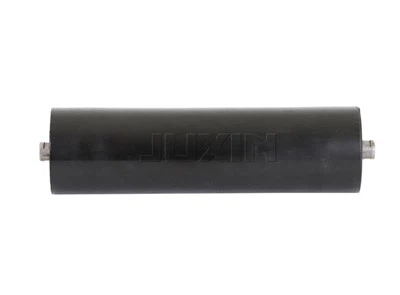
The friction we often have as a masochist is mechanical. Motion resistance is the primary determinant of a bulk material conveyor system's energy consumption. Specifically, conveyor idlers in bad condition or those that are worn out are locations of friction. According to research findings, poorly selected or poorly maintained idlers can contribute as much as 30 percent to the overall power usage, and as such, these can directly negate the bottom line. The solution for creating an energy-efficient conveyor involves investing in modern, low-friction idlers, using larger idler rollers (which can provide a 40 to 55 percent efficiency improvement), and adopting specialized belt designs marketed for low rolling resistance (LRR). Such investments are crucial for reducing the primary resistance that appears along the entire conveyor route, particularly on bulk handling conveyors longer than 80 meters.
Electrical inefficiency is another huge factor. Operating the motors at constant and maximum speed, irrespective of the actual material load, is wasteful in nature. In the absence of modern Variable Frequency Drives (VFDs) and motors that are certified as per modern efficiency standards, a large amount of energy is wasted. Thus, the shortest route to a really energy-efficient conveyor must solve the mechanics of friction, as well as the efficiency of the drive and control system that is electrical. This is a fundamental objective of a modern conveyor upgrade.

Beyond the Bottom Line: Hitting the Unseen Safety and Compliance Risks
In many heavy industries, the primary safety driver for a bulk handling conveyor upgrade is often strict regulatory compliance. An example of this is the Mine Safety and Health Administration (MSHA), which has targeted limiting the acceptable level (PEL) of respirable crystalline silica dust to a full-shift exposure average of g/m$^3$. This regulatory action greatly constrains the exposure requirements.
The fix that is required is the use of engineered controls in the source, as opposed to just the utilization of temporary control measures such as respirators. Given that up to 85 percent of all dust can originate at conveyor transfer points, modernization efforts and any conveyor upgrade must include robust solutions for dust control, categorized as:
Containment: The most efficient approach, which involves the use of modern chute work, skirting, and exit curtains, and manipulating the air flow to less than 200 feet/minute, which carries dust to the cargo.
Collection: The use of locally ventrally or centrally based dust collection systems.
Suppression: Coating fine dust particles with special water or surfactant sprays to enhance the weight and cohesiveness of fine dust particles.
This compliance necessity creates an unassailable financial argument: the conveyor upgrade is not an optional cost reduction strategy, but rather a mandatory risk mitigation strategy. Older bulk material conveyor systems that rely on periodic, manual cleanup of dusty areas are often no longer sufficient under the stringent new PEL rules. Failure to implement these engineered controls as part of a conveyor upgrade exposes the company to significant financial penalties, potential operational shutdowns, and long-term litigation risk related to worker health, fundamentally shifting the decision-making driver from simple ROI to regulatory and operational survival. Additionally, the conveyor upgrade must incorporate modern physical safeguards, such as adequate guarding to prevent contact with moving parts, functioning emergency pull cords, and safe belt crossing facilities, all of which are non-negotiable legal requirements for all bulk handling conveyors.

The 3-Part Audit for Your Next Conveyor Upgrade
A truly compelling proposal for a conveyor upgrade must be built upon an unbiased, rigorous assessment of the existing system's performance--the "before" picture. This comprehensive, 3-part audit provides the hard data necessary to quantify losses in specific dollar amounts and operational hours for your bulk handling conveyors.
Step 1: Your Bulk Material Conveyor Mechanical Audit
This audit focuses on identifying the physical flaws responsible for mechanical inefficiency, material loss, and high component wear, which drive the need for a conveyor upgrade. These flaws also place a heavy burden on conveyor system maintenance teams.
Checklist Items for Quantifying Friction and Loss:
Idler Inspection: Identity and report on the status of idlers and rollers, and in particular, verifying the presence of seized parts or extremely hot-friction parts. This is of critical concern in the main conveyor route, where maximum opposition to motion is experienced. The percentage of failed idlers translates directly into wasted friction energy and excessive power draw on the bulk material conveyor systems.
Belt Condition: Check the whole belt for excessive wear, tearing, or ageing. Old belts can exhibit increased rolling resistance, contributing to energy waste and making an energy-efficient conveyor impossible.
Tension and Tracking Check belt tension is correct, and inspect alignment. Mistracking is the largest cause of belt edge damage and exerts much influence on material spillage.
Spillages Sources: Systematically find and record all the particular sources of material spillage, leakage, and carryback, with a special concern given to the points of transfer, chutes, and return runs.
The critical, self-destructive cycle, Spillage-to-Wear Cycle, can be seen through the prism of analysis of mechanical condition. Spillage is not just wasted product; it is the primary cause of untimely mechanical breakdown. Spilled material accumulates underneath the system, leading to abrasive wear on return idlers, pulleys, and structural components of the bulk handling conveyors. Therefore, poor mechanical condition, evidenced by high spillage, directly increases the future MRO budget and underscores the need for proactive conveyor system maintenance. A modern conveyor upgrade that aggressively controls fugitive material is the necessary intervention to break this self-destructive cycle.
Step 2: The Electrical Audit: Path to an Energy efficient conveyor
The electrical audit reveals the efficiency difference between the existing drive system and the contemporary standards, which is directly applicable to the rationale of Pillar 3 (Energy Savings). This audit is a critical step in planning a conveyor upgrade for your bulk material conveyor systems.
Quantifying Efficiency Checklist Items:
Motor Nameplate Analysis Review an existing nameplate to find out the age and specific efficiency rating of the motor (ex, check an older motor against an IE3 Premium standard). This data establishes the precise baseline for projected efficiency savings from your conveyor upgrade.
VFD Usage: find out whether the existing system has Variable Frequency Drives (VFDs) to control the motor speed. This lack of VFDs is a huge opportunity that would have been missed in savings, since VFDs are a major component in the running of an energy efficient conveyor.
Actual Power Draw Measurement (Advanced): Measure the actual power draw of the motor when loaded with normal material under normal material loading conditions using special equipment, i.e., a clamp meter. When this number is compared with the rated power of the motor, unproductive processes are usually revealed, with either the motor operating unproductively or simply being the wrong size to meet the current volume of throughput.
The adoption of the VFD technology has a strong two-fold advantage. Although it is the energy savings that generally underpin the use of a VFD, these savings can amount to 60 percent in an optimally run system, but there is the added benefit of mechanical component life in a VFD. VFDs also provide a smooth, controlled soft start, which eliminates the high initial current and mechanical shock of across-the-line starting. The smooth running will drastically simplify wear and tear of belts, bearings, and gearboxes, hence save a lot of MRO costs (Pillar 2). The electrical modernization acts as an indirect but powerful mechanical protection strategy, reducing the burden on future conveyor system maintenance for all bulk handling conveyors.
Step 3: The Operational Audit: Identification of Bottlenecks and Throughput Loss
The operational audit plays a vital role in determining the amount of production capacities that are lost and the actual price of non-value-added labor time. This is arguably the single most important operational metric to justify a conveyor upgrade for bulk handling conveyors.
Items within the Checklist of Losses Quantification:
TPH Measurement: Measure the actual Tons Per Hour (TPH) conveyed currently and compare with the original design capacity that the system was designed to convey. Throughput loss can be very difficult to notice and may be influenced by things such as uneven loading of materials or running the belt at a speed that is not within the optimal range.
Cleanup Labor Logging: Systematically document all cleanup labor hours associated with mitigating spillage, carryback, and fugitive material on your bulk material conveyor systems. These are the direct time, overhead costs, and equipment time tracking.
Downtime Root Cause Analysis: Record all single mishaps of downtime, strictly categorizing their cause (e.g., mistracking, component failure, blockage at the transfer point). This step establishes a direct link between specific mechanical weaknesses (identified in Audit Step 1) and measurable financial loss, building the case for a conveyor upgrade.
The most financially significant justification of the corrective measures is the cost of the manual cleanup labor, which is frequently the fastest. Research has shown that the savings achieved just by the removal of non-value-added cleanup labor expense can be applied to such technology as the required equipment to control spillage (modern skirt boards, belt cleaners) that would reimburse the required equipment within less than one year. This rapid return provides a highly compelling, short-term Payback Period that strongly appeals to executive management for any conveyor upgrade.
Calculating the ROI of Your Conveyor Upgrade
With the setup of the TCO of the legacy system by the 3-part audit, the next thing that needs to be done is the projection of the TCO of the new system and conveying the resultant gains into the language of finance, i.e., ROI and Payback Period.
Projected annual savings are calculated by comparing the quantified losses of the old system to the projected performance of the modernized bulk material conveyor systems.
Pillar 1
(Downtime Hours Saved Annually) × (Cost of Downtime per Hour)
A conveyor upgrade utilizing high-reliability components and VFDs to reduce component stress structurally increases the Mean Time Between Failures (MTBF), directly leading to increased productive uptime and revenue generation from your bulk handling conveyors. A conveyor upgrade utilizing high-reliability components and VFDs to reduce component stress structurally increases the Mean Time Between Failures (MTBF), directly leading to increased productive uptime and revenue generation from your bulk handling conveyors.
Pillar 2
(Old Annual MRO Costs) − (Projected New MRO Costs, including scheduled proactive maintenance)
Shifting from reactive to proactive conveyor system maintenance decreases emergency costs. Book parts present in modern forms need less repair and are cheaper. Industry benchmarks confirm that structural maintenance cost reductions can reach approximately 29 percent following a conveyor upgrade.
Pillar 3
(Total kWh Savings Annually) × (Cost per kWh)
Removing highly-frictional idlers and substituting more lasting models with highly effective (IE3/IE4 or NEMA Premium) motors combined with VFDs enables facilities to save significantly. In practice, direct energy savings of 12 to 20 percent can be obtained at facilities, and when high mechanical friction systems achieve the potential of savings of 60 percent when VFDs are optimized. The use of an energy-efficient conveyor is one most important elements of ROI. The goal of this conveyor upgrade is to transform the system into an energy-efficient conveyor.
Pillar 4
(Value of Lost Product Saved) + (Cleanup Labor Costs Saved)
Modern transfer point solutions, included in the conveyor upgrade, such as advanced skirting, specialized belt cleaners, and optimal chute design, drastically reduce fugitive material. This simultaneously saves on intrinsic material costs and eliminates non-productive labor hours associated with material recovery.
By summing the gains from these four pillars, the total annual savings generated by the conveyor upgrade are fully quantified.
The Simple Payback Period Formula You CFO Would Like to See
Although the overall ROI percentage is also important, we should use the crucial financial measure of capital budgeting stakeholders: the Payback Period, the time frame to recover the expenditures spent on the investment. The crucial formula required for executive approval of a conveyor upgrade is:
Payback Period (Years)=Total Investment Cost / Total Annual Savings (Sum of Four Pillars)
For instance, if a conveyor upgrade for your bulk material conveyor systems requires an initial investment of $200,000 and the calculated Total Annual Savings is $50,000, the calculated Payback Period is 4 years. A strong proposal demonstrates a rapid return, typically aiming for a Payback Period generally under four years, showcasing both rapid capital recovery and long-term profit generation from the conveyor upgrade.
Note on a Presentation of your Findings: Get to the Point
When presenting a proposal for a major conveyor upgrade, C-suite executives demand high-level, aggregated data. It is essential not to overwhelm them with detailed idler inspection reports or voluminous conveyor system maintenance logs.
To best show this, a simple summary dashboard that highlights three key financial figures will be used: Total Investment Required, Total Projected Annual Savings, and calculated Payback Period. The detailed audit data concerning conveyor system maintenance, energy consumption, and compliance risks serves as the detailed backup appendix, ready to be deployed to answer challenging questions. The most compelling financial case is around trying to put the Cost of Doing Nothing into perspective. If the annual TCO losses derived from the operational audits significantly exceed the annual depreciation or interest costs associated with the new investment, then delaying the conveyor upgrade for your bulk handling conveyors means consciously accepting a guaranteed, quantifiable loss year after year. This leverages the audit data to create urgency and proves that the proactive conveyor upgrade is the fiscally responsible course of action.
Summary: The Strategic Advantage of a Data-Driven Conveyor Upgrade
A successful justification for modernizing bulk handling conveyors transcends mere technical complaints about broken parts. It requires the provision of a well-rounded and data-supported business solution. This path has to entail a strict, comprehensive audit on both mechanical, electrical, and operating levels and, finally, a lucid ROI calculation of the four pillars of savings: Uptime, MRO, Energy, and Yield.
Modernizing the bulk material conveyor systems is the definitive path to achieving predictable throughput, significant cost reduction, and assured regulatory compliance. By translating technical failures into quantifiable financial losses, operations teams can confidently secure the necessary capital for a strategic conveyor upgrade, ensuring the longevity and profitability of the bulk handling conveyor's operation. This data-driven approach is the most effective way to champion a conveyor upgrade.
Author Profile
Li Hui, General Manager of Hebei Juxin Conveying Engineering Co., Ltd., is a visionary leader with profound expertise in belt conveyor systems. Her journey began by establishing Juxin's Overseas Business Department, achieving a remarkable export breakthrough that inspired the bulk material handling industry. With extensive real-world experience, including in-depth market research across six countries and establishing five overseas branches, Li Hui understands diverse material handling requirements globally. Her commitment to "healthy businesses," driving Juxin's transformation to data-driven management, and leading R&D efforts for different types of conveyor systems demonstrates her ability to empathize with user pain points, providing practical, innovative conveyor selection guide insights and robust conveyor solutions.
WeChat
+86 13920569869
Phone Number
+86 18622502901
E-Mail
sales011@dgsconveyor.com