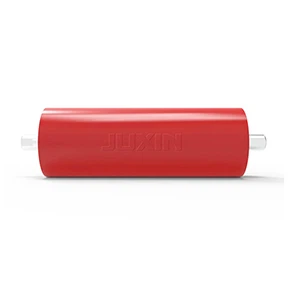
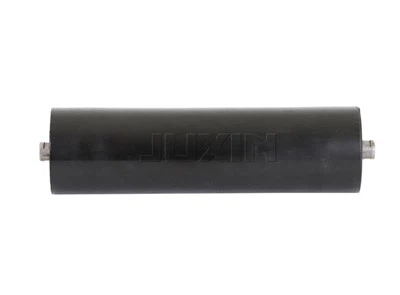
In any large-scale operation, powerful drive pulleys often get the glory. However, the bend pulley in belt conveyor systems is the unsung hero. The core bend pulley function ensures a conveyor's versatility and longevity. This article is a detailed plan to empower maintenance and engineering teams. It will clearly define the bend pulley function. It will also provide a practical framework for pulley selection. With this guidance, you can mitigate risk and maximize throughput. We use best practices from leading organizations and trusted bend pulley manufacturers worldwide. We also learn from established China conveyor pulley suppliers to keep your operations running smoothly and efficiently.
What is the Primary Bend Pulley Function? More Than Just a Turn
The bend pulley function is fundamental to the operational geometry and mechanical success of any bend pulley in a belt conveyor system. It is used in the non-drive jobs in order to direct and hold the belt, and its purpose is twofold.
Rotating Belts to an Effective System Design
The most apparent bend pulley function is its role in redirecting the belt and altering its path. The ability is the one that is essential to the contemporary, high-density industrial plants. By smoothly guiding the belt around corners or structural obstructions, the bend pulley in belt conveyor systems enables complex L-bends, Z-configurations, and effective routing around machinery or structural columns.
The resulting advantage is substantial: these components provide the opportunity for much smaller, space-saving layouts of plants. This optimization of the physical space works over to a direct monetary benefit, in the form of more production space. When sourcing components, working with expert China conveyor pulley suppliers ensures the geometry required for space efficiency is achieved with robust, long-lasting products from reliable bend pulley manufacturers who specialize in precision pulley selection for complex conveyor setups.

Service Making Belt Tensioning in a Take-Up System
Beyond simple redirection, the bend pulley function is critical for belt tensioning. In long or heavy-duty applications, the bend pulley in belt conveyor systems is strategically placed to create the necessary loop within a take-up unit, allowing the take-up pulley to sit and operate effectively. This makes sure that there is a steady amount of tension, which is dynamically adjusted as the belt naturally stretches or shrinks under load or temperature.
This tension control is important since it eliminates belt slip, reduces side-to-side motion of the belt, which will lead to mistracking, and reduces considerably the wear of the belt edges and idlers. Thus, effective tensioning, enabled by the bend pulley function, is a key part of reducing long-term maintenance expenses and optimizing pulley selection for durability.

If you want to know the difference between the redirecting roller and other rollers, please click on the picture.
A Practical Guide to Bend Pulley Selection and Specification
The correct pulley selection process is arguably the most impactful maintenance decision you can make for your conveyor system. Getting the specifications right on components from reliable bend pulley manufacturers and qualified China conveyor pulley suppliers is critical for operational longevity and reduced downtime.
Selection of the Diameter: The Most Health-Critical Factor of Belts
The diameter of the bend pulley in belt conveyor systems directly impacts the lifespan of the belt. A small-sized pulley causes the internal reinforcement plies of the belt to flex excessively, which can lead to internal separation, cracking (so-called belt fatigue), and significantly reduce the useful life of the belt.
To prevent this costly premature failure, pulley selection must follow the belt manufacturer's guidelines. One of the industry regulations is simplified and relates the minimum diameter of the pulley as directly as possible to the tension rating (PIW) of the belt and the number of plies. Taking an example, the diameter of an 18-inch pulley is needed when the tension exceeds 80% in a heavy rubber 3-ply/330 lbs. belt, but only a 12-inch diameter in light-tension tail or snub applications. Larger diameter pulleys from quality bend pulley manufacturers reduce belt stress due to gentler bending angles, thereby extending belt life and reducing repair requirements. Always prioritize generous diameter in your pulley selection, and consult China conveyor pulley suppliers who understand your system's mechanical limits.
How to calculate Face Width: The easiest Success Formula
The length of the pulley has to be the width of its cylindrical body in contact with the belt. The standard industry practice for pulley selection dictates that the face width should be slightly wider than the belt itself.
The standard formula used is normally the Belt Width + 2 or 4 inches (or 50 or 100 mm). This extra width will permit reasonable wandering of the belt, which cannot be avoided in large systems, without injuring the edges of the belt or the construction of the pulley. This subtle but crucial detail in the manufacturing process is a hallmark of quality China conveyor pulley suppliers and experienced bend pulley manufacturers who specialize in precision-built bend pulleys in belt conveyor assemblies.
To Lag or Not to Lag? Checklist of Bend Pulley Lagging
The covering that is used on the face of the pulley is placed permanently and is known as lagging. While often associated with drive pulleys to increase traction, its application on a bend pulley in belt conveyor system serves protective purposes that enhance both performance and belt life.
Lagging is recommended in the following scenarios to optimize the bend pulley function and support long-term reliability:
Pulley Shell Protection: Lagging is a sacrificial coating used in high-tension areas to avoid the expensive pulley shell being subject to the risk of abrasive wear.
Abrasive Conditions: With slower lagging, sharp or abrasive bulk material will not hang on the steel face, directly destroying the steel face.
Wet or Sticky Conditions: Using specialized lagging patterns (e.g., grooved) helps to shed water, carryback, and sticky material, ensuring the bend pulley in the belt conveyor operates cleanly and efficiently.
When making a pulley selection for aggressive environments, ensure you specify a robust lagging material from proven bend pulley manufacturers or expert China conveyor pulley suppliers with a track record for engineering excellence.
Verdict: The importance of the Bend Pulley in Conveyor Success
From enabling complex layouts to maintaining critical belt tension, the bend pulley function is a cornerstone of a reliable and efficient bend pulley in belt conveyor system. As we've seen, the consequences of improper pulley selection--from premature belt failure to catastrophic downtime--are significant. By investing time in choosing the correct diameter, face width, and lagging for your bend pulley in belt conveyor, you are investing directly in your plant's uptime and profitability.
When sourcing your components, it's vital to partner with expert bend pulley manufacturers. As leading China conveyor pulley suppliers, we understand these challenges and can guide your team through every step of the pulley selection process to ensure you get the performance and reliability your operation deserves. Having difficulties with the calculation of the ideal diameter or with the choice of the lagging most suitable for your material? Contact our engineering team today for an expert pulley selection consultation.
Author Profile
Li Hui, General Manager of Hebei Juxin Conveying Engineering Co., Ltd., is a visionary leader with profound expertise in belt conveyor systems. Her journey began by establishing Juxin's Overseas Business Department, achieving a remarkable export breakthrough that inspired the bulk material handling industry. With extensive real-world experience, including in-depth market research across six countries and establishing five overseas branches, Li Hui understands diverse material handling requirements globally. Her commitment to "healthy businesses," driving Juxin's transformation to data-driven management, and leading R&D efforts for different types of conveyor systems demonstrates her ability to empathize with user pain points, providing practical, innovative conveyor selection guide insights and robust conveyor solutions.
WeChat
+86 13920569869
Phone Number
+86 18622502901
E-Mail
sales011@dgsconveyor.com