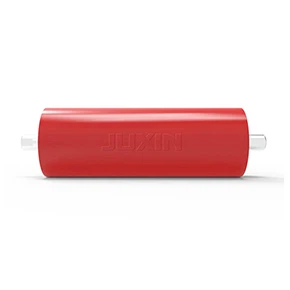
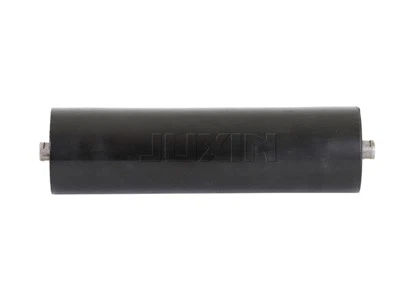
Conveyor belt idler roller reliability starts with disciplined roller inspection that protects roller performance and prevents catastrophic failures before they begin. Conveyor belt idler roller reliability starts with disciplined roller inspection that protects roller performance and prevents catastrophic failures before they begin. Learning "How Do You Maximize Roller Performance With Roller Inspection?" enables maintenance and purchasing teams to move from reactive fixes to proactive system control, ensuring that a $50 seized idler is detected before it generates heat, slices belts, or causes the six-figure "Pizza Cutter" disaster.
1. Roller failure pattern diagnosis to identify bearing and shell problems;
2. A practical, safety-compliant inspection process for early fault detection;
Whether you're troubleshooting frame misalignment, preventing bearing seizure, or benchmarking components from an idler roller manufacturer, these proven roller inspection steps help you take full command of system health, cost, and long-term roller performance, while resolving every major conveyor roller problem before escalation.
Why Prioritize Roller Inspection? Cost & Safety Realities
Before we discuss how to inspect, we must understand why roller inspection is the cornerstone of operational efficiency. A disciplined roller inspection checklist addresses two severe pain points: reducing extreme safety risk and minimizing Total Cost of Ownership (TCO) linked to conveyor roller problems.

What Are the Ways Seized Conveyor Idler Rollers Start Fires?
It is not merely a nuisance in coal mines and grain terminals where a seized idler conveyor roller may be a source of ignition. When a bearing locks, the roller shell stops rotating while the belt continues to move at high speed. This friction rapidly generates heat-often exceeding 200 ℃ within minutes.
A seized idler conveyor roller can easily ignite coal dust or rubber debris. Therefore, rigorous roller inspection using a structured roller inspection checklist is not optional housekeeping; it is a critical fire safety compliance requirement and a key safeguard of roller performance.
Can Inspection Data Optimize Roller Performance & ROI?
Purchasing managers often ask why they should invest in advanced inspection devices. The answer lies in roller inspection data.
By tracking roller performance indicators such as temperature trends, vibration, and acoustic signals, maintenance teams can predict a conveyor roller problem before failure occurs. This enables procurement teams to replace the right idler conveyor roller, at the right location, at the right time.
This shift from reactive maintenance to predictive roller inspection demonstrates clear ROI and protects both inventory budgets and operational uptime.
Diagnosing Faults: What Kills Roller Performance?
Understanding the enemies of roller performance-from hidden environmental threats to visible mechanical damage-is central to any effective roller inspection checklist.
What about the squealing of conveyor idler rollers?
A high-pitched squeal from an idler conveyor roller is a classic conveyor roller problem and an unmistakable sign of lubrication loss or contamination ingress.
Problem
Seal failure allows dust or moisture to enter the bearing assembly or purge grease, rapidly degrading roller performance.
Consequence
Without sufficient lubrication, the consequence is the metal-on-metal friction. This friction also creates a great deal of extreme localized heat and causes bearing seizure and complete part failure soon.
Method of Inspection
Do not use ears. Test high-frequency acoustic waves produced by a dry bearing by using ultrasound listening devices to isolate and find high-frequency acoustic waves. Ultrasound is particularly effective at early friction problems in low-speed systems, and can preempt pre-failure conditions weeks before heat or spikes in vibration, an 8 dB rise above baseline is a clear roller inspection checklist alert requiring corrective action.
Does a Captured Roller Slice Your Belt?
Protecting the belt-the system's most valuable asset-is the primary focus of roller inspection. Seizure is the ultimate threat to roller performance and asset integrity.
Problem
When a bearing seizes, the idler conveyor roller shell stops rotating. The moving belt drags the stationary shell, rapidly grinding a flat spot onto the shell (The "Pizza Cutter" effect).
Consequence
A flat spot forms on the shell, creating the infamous "Pizza Cutter" effect that slices belt covers and accelerates belt failure-a severe conveyor roller problem.
Method of Inspection
Visual roller inspection must identify non-rotating rollers immediately. Rhythmic clicking or thumping noises are strong indicators of shell flat-spotting.
How Does Material Buildup Ruin Roller Performance?
Material buildup is a frequent, non-bearing-related conveyor roller problem that undermines roller performance.
Problem
Carryback material adheres to the belt and accumulates on return idler conveyor rollers. This material crusts and forms an uneven and lumpy diameter on the roller surface.
Consequence
This buildup causes imbalance, belt mistracking, false vibration signals, and premature bearing fatigue. It forces the belt to mistrack and creates artificial stress on the bearing assembly, shortening the life of the idler conveyor roller.
Method of Inspection
Visually check return rollers for crusting, as carryback often contains the worst condition, most adhesive cargo. A key step in every roller inspection checklist is visual inspection and cleaning of return rollers before condemning bearings. If the roller performance is jerky or vibrating, the shell must be cleaned thoroughly before the bearing is condemned or replaced.
What is the Effect of Frame Misalignment on Conveyor Idler Rollers?
Misalignment introduces structural forces that destroy roller performance prematurely.
Problem
Frames may be bent or the idler set may be skewed by structural movement, settling of the foundation or installation mistakes.
Consequence
This misalignment applies uneven forces and loads across the idler set, forcing the idler conveyor rollers to absorb uneven radial and thrust loads. The outcome is increased and uneven wear. The roller shell will exhibit a tapered or one-sided wear pattern resulting in severe belt tracking problems and it shortens the life of the roller as well as causing high energy use and system instability.
Method of Inspection
Visual wear-pattern analysis during roller inspection reveals misalignment and signals the need for frame realignment. If the wear is heavily concentrated on one side, or if the belt consistently tracks off-center, the frame requires expert structural realignment and shimming, which is a critical roller maintenance activity.
Do Environmental Factors Fail Roller Inspection?
Environmental conditions pose a constant, invisible threat to long-term roller performance, often bypassing exterior safeguards.
Problem
Highly corrosive environments, frequent moisture exposure, and fine abrasive materials like coal dust aggressively attack the idler conveyor roller both externally and internally .
Consequence
Rust is counterproductive to the shell thickness on the outside. On the inside, the low-quality seals may be circumvented by fine dust and contaminants, resulting in fretting corrosion and the destruction of the race of the precision bearer.
Method of Inspection
During your systematic roller inspection, technicians must look for visual cues like "red dust" (fretting corrosion) visible outside the bearing housing or seal area. This visual evidence is a sure sign that the environment has breached the bearing defense, necessitating replacement with a component from a reputable idler roller manufacturer that utilizes robust sealing systems, such as triple labyrinth seals. The quality of the idler roller manufacturer's sealing system determines the component's lifespan in harsh environments.
The 3-Tier Protocol for Effective Roller Inspection
To achieve reliable roller performance, operations must adopt a standardized, repeatable roller inspection checklist. This is a step-by-step plan that incorporates both the use of senses and hi-tech tools to provide orderliness and anticipation.

Daily: What to Do to do a Walk-the-Line Sensory Scan?
The "Walk-the-Line" sensory scan is the most frequent, low-cost roller inspection tier, designed for early hazard identification during every operational shift.
Listen
Technicians have to walk the safe walkway, actively separating the ambient plant sound with the ghost noises. This involves having trained distinctions between the high-pitch squeal (which is a sign of seal failure and is about to lose lubrication) and the low, heavy grinding sound (a sign of catastrophic cage collapse or severe bearing spalling)--early indicators of conveyor roller problems.
Look
The visual priority here, which is to be seen, is to distinguish non-rotating rollers. These parts that have been completely captured should be immediately tagged. They pose the greatest component failures in terms of damages to belts and fire, and are the localized time bombs.
Smell
Detect burning rubber or hot oil--critical warning signs during roller inspection.This distinct odor is the definitive sensory sign of friction heat, indicating a dangerously seized idler conveyor roller that may be approaching ignition temperatures.
Weekly: Buildup is Killing Your Conveyor Idler Rollers?
The protocol of the week incorporates some focused physical examinations that deal with the environment-related stressors as well as imbalance beginning.
Carryback Check
Material buildup severely degrades roller performance.The accumulation of the roller shell on the back roller leads to the significant imbalance of the roller due to the increase in the effective mass. This condition generates "fake" vibration signals and leads to chronic belt mistracking, severely compromising roller performance. Loss prevention is basic to housekeeping to eliminate the accumulations underneath and around the belts.
Vibration Check
To ensure safety, the checking operation should be done by touching or placing a sensor into the frame or conveyor structure and not the moving roller surface.Over excessive shuddering means internal bearing damage (spalling) or gross component imbalance.
Alignment Check
Perform a systematic visual check on the whole line to ensure that the belt is in the middle of the idler sets. This weekly roller inspection eliminates gradual edge damage due to regular scrubbing on the misaligned parts.
Monthly: The "Hands-On" Audit for Peak Roller Performance
The monthly audit uses quantitative tools, typically during a scheduled shutdown, to capture predictive trending data, ensuring peak roller performance.
Clearance Audit
Check the physical verification that no rocks, tramp iron, or abrasive debris are caught in between the roller shell and the idler frame. A usual neglected factor in drag, friction and premature bearing fatigue is debris in this gap.
Wear Measurement
Under scheduled downtime, check the thickness of a roller shell, particularly where high-impact or high-wear occurs. Surface roller shells made of standard steel vary in thickness between 2.0mm and more than 6mm. When the measured wear is more than 3 mm away of the initial specification, then the roller is supposed to be labeled to be changed. Such a preemptive measure averts the collapse or the formation of the sharp edges that cause the damage of the belt on the Pizza Cutter.
Temp Logging
Systematically record the temperature of the assemblies of the bearings when the machine is running with a thermal camera. Thermal imaging is not worth the one high reading, but in developing a trend of increasing heat in consecutive monthly audits. A consistent rise of +20 above baseline predicts imminent failure and protects roller performance.This data is critical for scheduling the replacement of the idler conveyor roller precisely during the next planned shutdown, entirely eliminating unexpected failures.
Conclusion
Effective roller inspection is the definitive strategy for reliability management in bulk material handling. It is the necessary bridge that connects critical physical safety-by preventing fires caused by friction heat from seized idler conveyor rollers-with massive financial savings achieved by protecting the highly expensive conveyor belt from the "Pizza Cutter" effect.
By meticulously implementing the 3-Tier Protocol and leveraging predictive tools such as ultrasound and thermal imaging, organizations gain the objective, quantifiable data required to transition operations from reactive failure management to predictive, TCO-driven strategic roller maintenance. By implementing a disciplined roller inspection checklist and leveraging predictive tools, organizations maximize roller performance, extend MTBF, and convert roller maintenance into a strategic advantage.
Don't Guess-Just Contact us
Effective roller inspection bridges safety and savings. It extends idler conveyor roller life and protects the most expensive asset in your system--the belt. By implementing this protocol, you ensure that roller maintenance becomes a strategic advantage rather than a constant headache.
Ready to secure your line? Waiting to smell of burnt rubber is not the way to move. We can train your team on advanced roller inspection and roller maintenance techniques. Whether you need training, audits, or rapid replacement of high-performance rollers, we help you solve every conveyor roller problem before failure occurs.
Contact us today to secure your line and elevate your roller performance through professional roller inspection. We will continue to make your operations safe and efficient.
Author Profile
Li Hui, General Manager of Hebei Juxin Conveying Engineering Co., Ltd., is a visionary leader with profound expertise in belt conveyor systems. Her journey began by establishing Juxin's Overseas Business Department, achieving a remarkable export breakthrough that inspired the bulk material handling industry. With extensive real-world experience, including in-depth market research across six countries and establishing five overseas branches, Li Hui understands diverse material handling requirements globally. Her commitment to "healthy businesses," driving Juxin's transformation to data-driven management, and leading R&D efforts for different types of conveyor systems demonstrates her ability to empathize with user pain points, providing practical, innovative conveyor selection guide insights and robust conveyor solutions.
WeChat
+86 13920569869
Phone Number
+86 18622502901
E-Mail
sales011@dgsconveyor.com