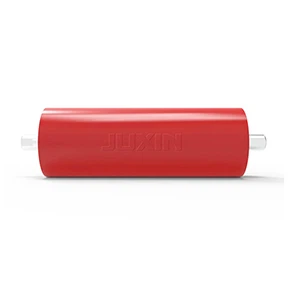
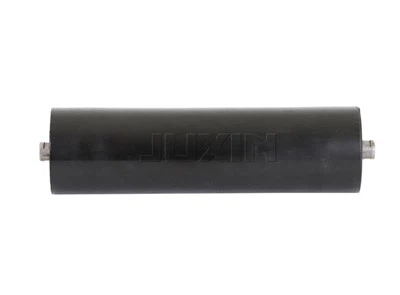
Addressing "How Do You Diagnose Idler Roller Failure Fast?" is crucial to enhance uptime, resulting in profitability in mining and logistics, necessitating the timely identification of high-pitch bearing noises and the Pizza Cutter wear patterns to avoid damaging the belt, the most costly part of the system, and achieve stability in its operation.

By mastering the art of bearing distress evaluation and focusing on the three pillars of reliability, businesses ensure superior conveyor belt idler roller function and sustained profitability:
1. Diagnose Conveyor Idler Failure in Live Conveyor Systems:
To quickly and reliably diagnose conveyor idler failure - and prevent costly belt damage and downtime - use a combination of sensory cues to identify specific idler distress rapidly.
2. Live System Diagnosis Without Shutting Down:
Break nothing down the line - employ lengthening devices and thermal photography.
Separate noise sources by walking against the running of the belt.
Apply directional audio devices to isolate the noise of idler bearers in the plant in the background.
3. You optimize conveyor idler failure management by correctly classifying symptoms into audible and visual categories, then learning how to choose one of three actions:
- Immediate replacement
- Compromise/monitoring
- Conveyor roller repair
What Does That Roller Bearing Noise Mean?
The knowledge of idler bearing acoustics helps reliability teams to go beyond just listening to noise, but to be able to perform accurate diagnostics. Defining the specific sounds associated with different stages of bearing failure allows for prioritized, efficient roller maintenance.
High-Pitched Squeal
This noise should be an indication of a damaged seal or a dry bearing. This is an urgent signal for immediate roller maintenance intervention to prevent progression to seizure and conveyor idler failure.
Low-Frequency Grinding
This is a much graver noise, indicating a high level of internal damage, usually indicating cage distortion or contact with heavy metal. At this stage, the conveyor belt idler roller has minimal remaining service life and may require immediate industrial roller repair or replacement.
Rhythmic Clicking
Such a sound may indicate the presence of a mechanical anomaly, e.g., the development of a flat spot on the roller shell or a fault on a single rolling element. Early detection allows for conveyor roller repair before full conveyor idler failure occurs.
How Do You Spot Idler Roller Bearing Failure Visually?
Visual and thermal indicators are required due to the fact that the most devastating type of failure mode is the expropriated roller, a Silent Killer that has no audible alert. It will demand a detailed element breakage evaluation that will match signs to precise mechanical break-even patterns and root causes.
What Symptoms Point to Inevitable Conveyor Idler Failure?
Proactive diagnostics are key to maintaining robust conveyor belt idler roller operation and protecting the expensive conveyor belt. The following matrix details the critical bearing distress patterns and their associated costs, reinforcing the importance of proactive roller maintenance.
|
Problem |
Sensory Symptom |
Roller Bearing Failure Causes |
The "Costly" Result |
|
Seized Bearing |
Visual: Roller stops turning; flat spot forms. Audible: None (Silent killer). |
Dust ingress or collapsed cage jams rotation. |
"Pizza Cutter" Effect: The sharp flat spot slices the belt bottom cover, causing massive downtime. |
|
Seal Failure |
Visual: Red "rust dust" leaking from cap. Audible: High-pitched squeal. |
Fines/moisture penetrate the labyrinth seal. |
Catastrophic Seizure: Leads quickly to the seized bearing scenario above, causing premature roller bearing failure. |
|
Shell Wear |
Visual: Shell looks concave or has holes. Audible: Whistling (air through holes). |
Abrasive material or constant belt slippage. |
Belt Damage: Jagged shell edges rip the belt carcass. |
|
Misalignment |
Visual: Uneven wear on one side of shell. Audible: Rhythmic thumping. |
Bent frame or poor installation tracking. |
Premature Failure: Uneven load destroys the bearing race early. |
Why Is My Idler Roller Shell Wearing Unevenly?
Uneven shell wear is a key indicator identified through effective condition checks and is one of the most common contributors to conveyor idler failure. Understanding shell wear enables targeted system corrections, optimizing roller alignment, improving roller maintenance, and reducing operational expenditure.

What Turns a Seized Roller Into a "Pizza Cutter"?
This catastrophic scenario highlights the necessity of preventative roller maintenance. When a conveyor belt idler roller experiences internal bearing breakdown and seizes, friction generates a stationary flat spot on the shell. This position is similar to a fixed blade, and it cuts the roller into a Pizza Cutter that cuts through the bottom cover of the belt. This causes non-scheduled and non-planned downtime that is very expensive. Avoiding this outcome is a critical driver for investing in robust industrial roller repair strategies.
What Causes Center vs. Edge Shell Wear?
Shell wear gives a window of diagnosis into larger systemic problems:
• Center Wear: This is normally occasioned by the material overloading or the accumulation of material (carryback) on the belt.
• Edge Wear: Almost always indicates tracking issues or structural misalignment, stressing the bearing unevenly and accelerating conveyor idler failure. Correcting roller alignment is critical.
How Much Can Uneven Conveyor Belt Idler Roller Wear Cost You?
The profitability of an uneven conveyor belt idler wear is directly proportional to the cost thereof. Rollers that are healthy cause less friction and increase the life of the whole system, and in particular the belt. Conversely, neglected roller maintenance leads to frequent belt replacements, creating a significant financial drain. Proper conveyor roller repair reduces belt damage, minimizes product loss, and improves asset utilization.
How Do You Perform Live Idler Roller Inspection Without Downtime?
In high-volume operations, it is just not possible to close down and carry out a diagnostic. The ability to diagnose potential roller bearing failure while the system operates under full load is a competitive advantage.
When conducting a live roller inspection, safety is paramount. Technicians must strictly adhere to the "Safe Zone" rule: never break the plane of the guard. Extendable tools and thermal technology are mandatory for safe, high-quality roller inspection.
How do you detect Idler Roller Bearing Noise on Live Belts?
To accurately isolate the source of roller bearing noise amidst loud ambient machinery, specialized techniques are required:
• Technique: Walking against the belt flow aids in isolating the sources of sound along the line by the technicians.
• Tools: Utilizing tools like directional microphones, or simply "cupping" ears to effectively block surrounding background noise, dramatically improves the diagnostic quality of the roller inspection.
What Emergency Idler Roller Maintenance Can You Do Live?
In the case of a failure with high risk, triage is carried out immediately through the Don't Stop strategy. These rapid, mitigating roller maintenance steps prevent thermal events or imminent belt slicing:
Minimize
Wipe all the combustible dust that is present around the hot conveyor belt idler roller.
Monitor
Thermal guns or cameras should be continuously used to monitor the temperature of the friction and ensure that it does not approach the flashpoint.
Prep
Stage replacement parts nearby and prepare for rapid conveyor roller repair during the next planned maintenance window.

How to Optimize Idler Roller Performance: Repair or Replace?
To control your system properly, you need to categorize symptoms into audible and visual. This distinction helps in identifying conveyor idler failure early, allowing you to decide whether the situation demands immediate replacement, a compromise solution (monitoring), or conveyor roller repair on the surrounding structure.
Category 1: Symptoms of Audible Noise
Specific Symptom: High-Pitched Squeal.
Diagnosed Meaning: This distinct roller bearing noise indicates a seal failure or a dry bearing where the lubrication has completely broken down. It is a clear sign that the conveyor belt idler roller is running with high friction and is approaching the final stages of its life cycle.
Action Decision (Replace): It is a situation of urgency. As the roller continues rotating, there is a high risk of seizure. You should schedule a replacement of the conveyor belt idler roller during the very next maintenance shift. Do not delay till the weekly shutdown, since fire can occur due to the heat that is being generated.
Symptom Specificity: Low-Frequency Grinding
Diagnosed Meaning: Grinding when it sounds indicates high levels of internal destruction. The cage, which contains the ball bearings, must have collapsed, resulting in metal-on-metal contacts. This type of conveyor idler failure means the component has zero remaining service life.
Action Decision (Replace): It needs to be done immediately. This can not be compromised. The conveyor belt idler roller must be replaced immediately to prevent catastrophic failure. In case the grinding is coupled with smoke or heat, then the belt has to be stopped immediately to replace the unit.
Specific Symptom: Rhythmic Clicking
Diagnosed Meaning: This subtle roller bearing noise typically points to a mechanical flaw, such as a flat spot developing on the shell or a single damaged ball bearing within the race. It does not always indicate total conveyor idler failure.
Action Decision (Compromise/ Monitor): This is not a mandatory case in that immediate replacement is required. You should tag the conveyor belt idler roller for monitoring. Check it after every 8-12 hours to determine whether the clicking has changed to a squeal or a grind. In case the noise is constant, then it can be postponed to the next planned monthly maintenance period.
Category 2: Symptoms of Visual Failure
Visual cues often indicate that the conveyor idler failure has already occurred or that the system structure is compromising the roller.
Particular Symptom: Seized Roller (Flat Spot)
Diagnosed Meaning: This is the most destructive form of conveyor idler failure. The bearing is in permanent lock, and the shell is no longer turning. The belt is pulled over the fixed shell and scratches a flat surface resembling a knife (the "Pizza Cutter" effect).
Action Decision (Replace): This involves critical and emergency intervention. A seized conveyor belt idler roller can destroy a belt worth tens of thousands of dollars in hours. Put the system to a stop and change the roller immediately. No middle ground here, a roller in grasping is a liability.
Particular Symptom: Red "Rust Dust" at Seals
Diagnosed Meaning:You see the red powder, and that is leaking out of the bearing cap, which is a sign of a breached seal. Fine or moisture has gotten into the labyrinth seal and corroded the inside parts. While not yet a total conveyor idler failure, the countdown has begun.
Action Decision (Replace): This is a preventative replacement. The conveyor belt idler roller is functioning on borrowed time. Intend to replace these units in the upcoming maintenance downtimes of every two weeks in order to avoid them becoming seized rollers.
Particular Symptom: Shell Wear Inequality or Crooked Frame
Diagnosed Meaning:When the shell is thin on one side, or the frame is seen to be bent, the problem is not the roller but the system. This is a structural fault causing premature conveyor idler failure.
Action Decision ( Repair): Receiving the roller will not fix the problem because the new one will break down just as the old one did. This situation requires conveyor roller repair focused on the frame and alignment. You must correct the root cause-leveling the structure or realigning the idler set-before installing a new conveyor belt idler roller.
How Do You Fix the Root Causes of Conveyor Idler Failure?
When you realize that there is a wear or structure problem, replacing the roller is a short-term solution. You must address the specific root causes using distinct conveyor roller repair measures. The solution is wholly based on the alignment, material loading, or structural damage.
Cause 1: Structural Frame Misalignment
Misalignment is a primary cause of edge wear on a conveyor belt idler roller. This normally occurs as the foundation settles, loose mounting bolts, or as a result of impact that causes the frame to become skewed. If the frame is not perpendicular to the belt centerline, the belt will drag across the roller, causing friction and eventual conveyor idler failure.
Specific Repair Measures
Laser or String Alignment
To perform effective conveyor roller repair, use a laser alignment tool or a simple string line to verify the squareness of the idler frame relative to the conveyor's centerline.
Hydraulic Straightening
In case the frame is crooked due to the crash, apply the hydraulic jacks to the frame to straighten the steel. This conveyor roller repair technique saves the cost of buying a new frame.
Foundation Tightening
Regularly torque the mounting bolts to specification to ensure the conveyor belt idler roller frame does not drift over time due to vibration.

Cause 2: Tracking Issues
Even if the frame is straight, the belt itself may be tracking off-center, loading one side of the conveyor belt idler roller more heavily than the other. This uneven load destroys the bearing race on that side, leading to roller bearing noise and premature failure.
Specific Repair Measures
"Knocking" the Idlers
A common conveyor roller repair tactic involves manually adjusting the idler frame. You "knock" or push the side of the frame on which the belt is floating, or you push toward the direction of the movement of the belt (forward). This steers the belt back to the center, balancing the load on the conveyor belt idler roller.
Installation of Training Idlers
In case manual adjustments cannot be done successfully, the system may be retrofitted with the training idlers that compensate for themselves. These automatically pivot to correct drift, preventing the continuous side-loading that causes conveyor idler failure.

Cause 3: Loading and Carryback of Material
Center shell wear is infrequently a manufacturing flaw; it is an adverse effect of material abuse. Sticky material adhering to the return belt (carryback) acts like sandpaper, grinding the center of the conveyor belt idler roller. In the same way, offloading in chutes puts the forces in a single point.
Specific Repair Measures
Scraper Upgrades
The best defense against this type of conveyor idler failure is a proactive upgrade. Install or tension primary and secondary belt cleaners (scrapers). You do this by clearing fines before they get to the return idlers so that you clear the abrasive source.
Chute Tuning
This is done by adjusting your discharge chute deflector plates to make the material come out perfectly on the belt. This distributes the weight evenly across the entire face of the conveyor belt idler roller, significantly extending its life.

By distinguishing between these causes, you move from simply changing parts to performing true conveyor roller repair, permanently solving the issues that lead to conveyor idler failure and persistent roller bearing noise.
Summary: Next Step for Better Roller Maintenance
Conveyor roller repair is often the difference between a minor maintenance window and a catastrophic financial loss. When you are experiencing uneven shell wear, red rust dust at the seals or chronic tracking problems, then your system is trying to tell you that there is something to be done. Our specialized services focus on more than just swapping out parts; we address the root causes of industrial roller repair, such as structural misalignment and material carryback. Roller alignment corrections and frame straightening can double the life of your new rollers. Allow us to assist you in the deployment of an effective repair policy that prevents problems at the point of origin. Be among the industry leaders who believe in us to ensure that their logistics is running smoothly. Get a reliability expert to help you and save your bottom line.
Author Profile
Li Hui, General Manager of Hebei Juxin Conveying Engineering Co., Ltd., is a visionary leader with profound expertise in belt conveyor systems. Her journey began by establishing Juxin's Overseas Business Department, achieving a remarkable export breakthrough that inspired the bulk material handling industry. With extensive real-world experience, including in-depth market research across six countries and establishing five overseas branches, Li Hui understands diverse material handling requirements globally. Her commitment to "healthy businesses," driving Juxin's transformation to data-driven management, and leading R&D efforts for different types of conveyor systems demonstrates her ability to empathize with user pain points, providing practical, innovative conveyor selection guide insights and robust conveyor solutions.
WeChat
+86 13920569869
Phone Number
+86 18622502901
E-Mail
sales011@dgsconveyor.com