Hey there! As a wire mesh supplier, I've been getting a lot of questions lately about the difference between single - layer and multi - layer wire mesh. So, I thought I'd take the time to break it down for you all.
Let's start with single - layer wire mesh. It's exactly what it sounds like – a single layer of wire woven or welded together. This type of wire mesh is super common and has a whole bunch of uses. One of the big advantages of single - layer wire mesh is its simplicity. It's easy to manufacture, which usually means it's more affordable. If you're on a tight budget, single - layer wire mesh can be a great option.
Single - layer wire mesh is also very lightweight. This makes it easy to handle and install. You don't need heavy - duty equipment to move it around, and it can be quickly put in place. For example, if you're using it for a small DIY project like a garden fence or a simple screen, single - layer wire mesh is a no - brainer.
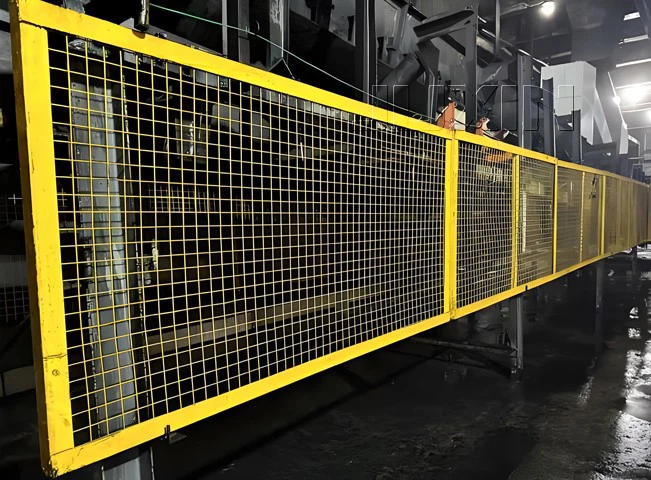
However, single - layer wire mesh does have its limitations. In terms of strength, it's not as robust as multi - layer wire mesh. If you're using it in an area where it will be exposed to a lot of stress or impact, it might not hold up as well. For instance, if you're looking to use it for Conveyor Safety Guarding, a single - layer might not provide enough protection against heavy machinery or fast - moving objects.
Now, let's talk about multi - layer wire mesh. As the name implies, multi - layer wire mesh consists of two or more layers of wire mesh stacked on top of each other. This construction gives it some serious advantages over single - layer wire mesh.
The most obvious benefit is strength. Multi - layer wire mesh is much more durable and can withstand a lot more pressure. It's ideal for applications where high strength is required, such as Belt Conveyor Guarding. The multiple layers work together to distribute the force evenly, reducing the risk of the mesh breaking or tearing.
Another advantage of multi - layer wire mesh is its improved security. Because it's harder to penetrate, it's a great choice for areas where you need to keep things out. For example, if you're using it for Conveyor Belt Guards, it can prevent unauthorized access to the conveyor belt area, protecting both people and equipment.
However, multi - layer wire mesh also has its drawbacks. It's more expensive than single - layer wire mesh. The additional layers mean more materials and more complex manufacturing processes, which drive up the cost. Also, it's heavier and bulkier, which can make it more difficult to handle and install. You might need more specialized equipment and more manpower to get the job done.
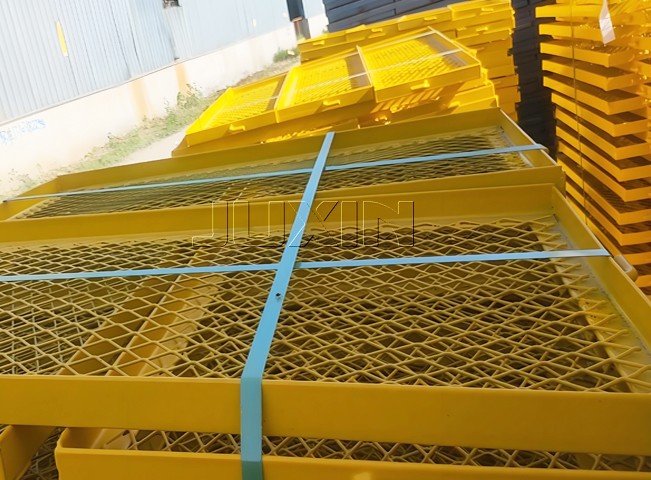
When it comes to choosing between single - layer and multi - layer wire mesh, it really depends on your specific needs. If you're working on a small - scale project with a limited budget and don't need a lot of strength or security, single - layer wire mesh is probably the way to go. On the other hand, if you're dealing with a high - stress environment or need enhanced security, multi - layer wire mesh is worth the investment.
Let's look at some real - world examples to illustrate these differences. Say you're running a small farm. You want to put up a fence around your vegetable garden to keep out rabbits and other small animals. In this case, a single - layer wire mesh would be sufficient. It's cheap, easy to install, and can do the job of keeping the critters out.
But if you're managing a large industrial warehouse with conveyor systems, you'll need something more robust. Multi - layer wire mesh for your Conveyor Belt Guards will provide the necessary protection against the heavy loads and high - speed movement of the conveyor belts.
In terms of maintenance, single - layer wire mesh is generally easier to take care of. If a part of it gets damaged, you can usually just patch it up or replace a small section. With multi - layer wire mesh, though, repairs can be more complicated. You might need to replace an entire panel if the damage is extensive.
Another factor to consider is the aesthetic aspect. Single - layer wire mesh has a more open and airy look, which can be appealing in some settings. Multi - layer wire mesh, on the other hand, can look more solid and imposing. So, depending on the look you're going for, this could influence your decision.
So, there you have it – the main differences between single - layer and multi - layer wire mesh. As a wire mesh supplier, I'm here to help you make the right choice for your project. Whether you need a simple single - layer solution or a heavy - duty multi - layer option, I've got you covered.
If you're interested in purchasing wire mesh for your project, I'd love to have a chat with you. We can discuss your specific requirements, go over the options, and find the best solution for you. Feel free to reach out, and let's get started on making your project a success!
References:
- General knowledge from years of experience in the wire mesh industry.
- Industry standards and best practices for wire mesh applications.