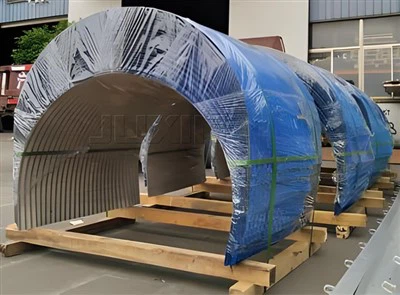
A wing pulley is a crucial component in various conveyor systems, facilitating smooth material handling and efficient operations. However, like any mechanical part, it is susceptible to damage over time due to factors such as wear and tear, excessive load, or harsh operating conditions. When a wing pulley becomes damaged, timely replacement is essential to prevent system breakdowns and ensure continuous productivity. As a trusted wing pulley supplier, I am here to guide you through the process of replacing a damaged wing pulley.
Step 1: Safety First
Before you embark on the replacement process, it is imperative to prioritize safety. This involves shutting down the conveyor system and ensuring that it is properly locked out and tagged out to prevent accidental startup. Additionally, wear appropriate personal protective equipment (PPE), such as safety glasses, gloves, and steel-toed shoes, to protect yourself from potential hazards.
Step 2: Identify the Problem
Once the conveyor system is safely shut down, conduct a thorough inspection of the damaged wing pulley. Look for signs of wear, such as worn-out wings, cracks, or excessive corrosion. Determine the cause of the damage, whether it is due to improper installation, misalignment, or regular wear and tear. This information will help you select the appropriate replacement pulley and take steps to prevent future issues.
Step 3: Select the Right Replacement Pulley
As a wing pulley supplier, I offer a wide range of high-quality pulleys to meet your specific needs. When selecting a replacement pulley, consider factors such as the pulley diameter, width, and shaft size. Ensure that the replacement pulley is compatible with your existing conveyor system and meets the required specifications. You may also choose from different types of wing pulleys, such as Lagged Drum Pulley, Winged Tail Pulley, and Rubber Lagging Pulley, depending on your application requirements.
Step 4: Prepare the Work Area
Before removing the damaged pulley, clear the work area of any debris or obstacles. This will provide you with enough space to work safely and efficiently. You may also need to remove any guards or covers that are blocking access to the pulley.


Step 5: Remove the Damaged Pulley
To remove the damaged pulley, first, loosen the set screws or bolts that are holding it in place. Use the appropriate tools, such as a wrench or socket set, to ensure that you do not damage the pulley or the shaft. Once the set screws or bolts are removed, carefully slide the damaged pulley off the shaft. Be careful not to drop the pulley or cause any damage to the surrounding components.
Step 6: Clean the Shaft
After removing the damaged pulley, clean the shaft thoroughly to remove any dirt, grease, or debris. Use a wire brush or sandpaper to smooth out any rough spots or burrs on the shaft. This will ensure a proper fit between the new pulley and the shaft.
Step 7: Install the New Pulley
Before installing the new pulley, apply a thin layer of lubricant to the shaft to facilitate easy installation. Carefully slide the new pulley onto the shaft, aligning it with the keyway. Make sure that the pulley is centered and properly seated on the shaft. Tighten the set screws or bolts securely, using the appropriate torque specifications.
Step 8: Reassemble the Conveyor System
Once the new pulley is installed, reassemble any guards or covers that were removed earlier. Double-check all the connections and ensure that everything is properly tightened. Before starting the conveyor system, make a visual inspection of the entire system to ensure that there are no loose parts or potential hazards.
Step 9: Test the Conveyor System
After reassembling the conveyor system, turn it on and let it run for a few minutes to test its operation. Observe the pulley to ensure that it is rotating smoothly and that there are no abnormal noises or vibrations. Check the tension of the conveyor belt and make any necessary adjustments.
Step 10: Monitor and Maintain the Conveyor System
Regular monitoring and maintenance are essential to ensure the long-term performance of your conveyor system. Inspect the wing pulley and other components periodically for signs of wear or damage. Replace any worn-out parts promptly to prevent further damage and ensure the safety and efficiency of your operations.
By following these steps, you can replace a damaged wing pulley quickly and effectively, minimizing downtime and ensuring the smooth operation of your conveyor system. As a wing pulley supplier, I am committed to providing you with high-quality products and expert advice to help you maintain your conveyor system in optimal condition.
If you are in need of a reliable wing pulley replacement or have any questions about the replacement process, please do not hesitate to contact me. I am here to assist you with your procurement needs and provide you with the best solutions for your conveyor system.
References
- Conveyor Equipment Manufacturers Association (CEMA). Conveyor Equipment Handbook.
- Manufacturer's manuals and technical specifications for wing pulleys.