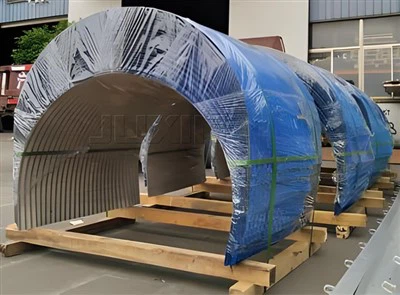
Installing conveyor wear plates on curved conveyors is a crucial task that ensures the longevity and efficient operation of the conveyor system. As a reputable Conveyor Wear Plates supplier, we understand the importance of providing high - quality products and accurate installation guidance. In this blog, we will walk you through the process of installing conveyor wear plates on curved conveyors step by step.
Understanding the Basics of Curved Conveyors and Wear Plates
Before diving into the installation process, it's essential to understand the unique characteristics of curved conveyors and the role of wear plates. Curved conveyors are designed to change the direction of the conveyor path, which means they experience different types of forces and wear patterns compared to straight conveyors. The curvature causes uneven distribution of the load, leading to increased friction and potential damage to the conveyor surface.


Conveyor wear plates, such as the Conveyor Wear Plates we supply, are made of highly durable materials that can withstand abrasion, impact, and sliding. They are installed on the conveyor surface to protect it from wear and tear, extending the conveyor's lifespan and reducing maintenance costs.
Pre - installation Preparation
- Inspection of the Conveyor:
- Thoroughly examine the curved conveyor for any existing damage, such as cracks, dents, or misalignments. Repair or replace any damaged components before installing the wear plates.
- Check the curvature of the conveyor to ensure it matches the design specifications of the wear plates. Incorrect curvature can lead to improper fit and reduced performance.
- Cleaning the Conveyor Surface:
- Remove all debris, dirt, and grease from the conveyor surface. Use a suitable cleaning agent and a brush or scraper to ensure a clean and smooth surface. This step is crucial as it allows for better adhesion of the wear plates.
- Measurement and Cutting:
- Measure the curved surface of the conveyor accurately. You may need to make multiple measurements at different points along the curve to ensure a precise fit.
- Based on the measurements, cut the wear plates to the appropriate size and shape. Use precision cutting tools to achieve clean and accurate cuts. Our Abrasion Resistant Steel Plate is easy to cut thanks to its high - quality manufacturing.
Installation Process
- Marking the Installation Points:
- Use a marker or chalk to mark the positions where the wear plates will be installed on the conveyor surface. Ensure that the marks are evenly spaced and aligned with the curvature of the conveyor.
- If the wear plates have pre - drilled holes, align the holes with the corresponding points on the conveyor surface.
- Applying Adhesive (if applicable):
- For some types of wear plates, an adhesive is used to attach them to the conveyor. Follow the manufacturer's instructions for mixing and applying the adhesive.
- Apply a thin, even layer of adhesive to the back of the wear plate and the conveyor surface. Be careful to avoid any air bubbles or gaps.
- Positioning and Securing the Wear Plates:
- Carefully place the wear plate on the marked position on the conveyor surface. Press it firmly to ensure good adhesion or alignment with the fastening points.
- If using mechanical fasteners, such as bolts or screws, insert them through the holes in the wear plate and the conveyor and tighten them securely. Make sure not to overtighten, as this can damage the wear plate or the conveyor.
- Check the alignment of the wear plate regularly during the installation process to ensure a smooth and continuous surface.
- Joining Multiple Wear Plates:
- In many cases, you may need to install multiple wear plates along the curved conveyor. When joining two wear plates, ensure a tight fit and a smooth transition between them.
- If necessary, use additional fasteners or a suitable sealing material to prevent debris from getting between the plates.
Post - installation Checks
- Visual Inspection:
- Once all the wear plates are installed, conduct a visual inspection to ensure that they are properly aligned, securely fastened, and there are no gaps or overlaps.
- Check for any signs of damage or misalignment that may have occurred during the installation process.
- Functionality Test:
- Run the conveyor at a low speed for a short period to test the functionality of the installed wear plates. Listen for any unusual noises or vibrations, which may indicate a problem with the installation.
- Observe the movement of the conveyor belt and ensure that it glides smoothly over the wear plates.
Troubleshooting Common Installation Issues
- Poor Adhesion:
- If the wear plates are not adhering properly, it may be due to a dirty surface or incorrect adhesive application. Clean the surface again and re - apply the adhesive following the correct procedure.
- Misalignment:
- Misaligned wear plates can cause uneven wear and reduced conveyor performance. If misalignment is detected, carefully loosen the fasteners and re - position the wear plates to the correct alignment.
- Fastener Problems:
- Loose or overtightened fasteners can lead to instability and premature wear. Check all fasteners and ensure they are tightened to the recommended torque. Replace any damaged fasteners.
Benefits of Using Our Conveyor Wear Plates
Our Conveyor Wear Plates offer several advantages that make them an ideal choice for curved conveyors. Firstly, they are made of high - strength and abrasion - resistant materials, which can withstand the harsh operating conditions of curved conveyors. This translates to a longer service life and reduced downtime for maintenance.
Secondly, our wear plates are precision - engineered to fit curved conveyors accurately. This ensures a perfect match with the conveyor's curvature, reducing the risk of misalignment and improving the overall performance of the conveyor system.
Finally, we provide excellent customer support, including installation guidance and technical advice. Our team of experts is always ready to help you with any questions or issues you may encounter during the installation process.
Contact for Purchase and Customization
If you are interested in purchasing our high - quality Conveyor Wear Plates or need further information about the installation process, we encourage you to contact us. We offer a wide range of products to meet your specific requirements, and we can also provide customized solutions for your curved conveyor systems. Whether you are looking for standard wear plates or need a special design, we have the expertise and resources to fulfill your needs. Get in touch with us to start a productive discussion and take the first step towards enhancing the performance of your conveyor system.
References
- ASTM International. "Standard Terminology Relating to Steel Products." ASTM A941 - 17.
- Conveyor Equipment Manufacturers Association (CEMA). "Belt Conveyors for Bulk Materials." Seventh Edition.