Hey there! As a belt supplier, I get asked a ton of questions about belts. One of the most common ones is “How long should a belt be?” Well, let's dive into this question and figure it out together.
First off, the length of a belt depends on what it's being used for. There are all sorts of belts out there, like conveyor belts, fashion belts, and industrial belts, each with different length requirements.
Conveyor Belts
Conveyor belts are super important in industries like manufacturing, mining, and logistics. They move stuff from one place to another, so their length is crucial for the efficiency of the whole operation.
Factors Affecting Conveyor Belt Length
- Layout of the Conveyor System: The shape and size of the area where the conveyor is installed play a big role. If it's a straight - line conveyor in a small factory, the belt doesn't need to be too long. But for a large - scale distribution center with a complex layout that includes curves, inclines, and multiple transfer points, the belt can be really long.
- Production Volume: The more stuff you need to move, the longer the conveyor belt might need to be. A high - volume production line needs a longer belt to keep up with the flow of products.
Different Types of Conveyor Belts and Their Length Considerations
- Heat Resistant Conveyor Belt: These are used in industries where there's a lot of heat, like steel mills or food processing plants that involve baking. The length of a heat - resistant conveyor belt is often determined by the distance between different processing stages. For example, in a steel mill, the belt may need to be long enough to transport hot steel from the furnace to the cooling area.
- Nylon Conveyor Belt: Nylon belts are known for their strength and flexibility. They're used in many general - purpose conveyor systems. The length of a nylon conveyor belt can vary widely, from short belts in small workshops to long ones in large - scale assembly lines. The key is to make sure it can handle the load and the speed required by the operation.
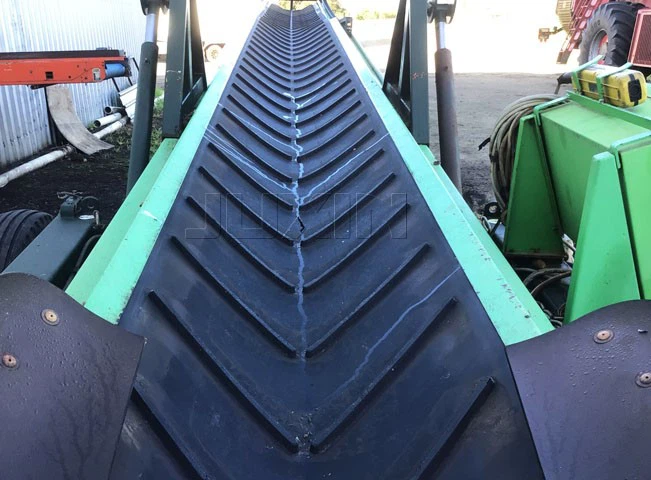
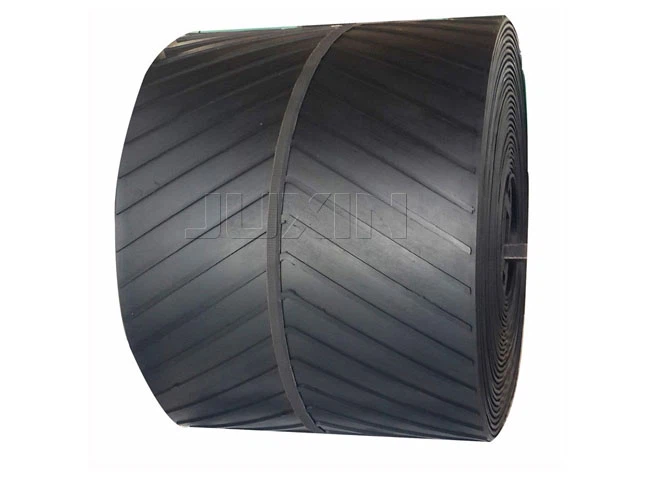
- Patterned Conveyor Belt: Patterned belts are designed to grip the materials they're transporting better. Their length is also based on the conveyor system's layout and the nature of the materials. For example, if you're moving round objects, the belt needs to be long enough to ensure a stable transfer without the objects rolling off.
Fashion Belts
When it comes to fashion belts, the length is a bit more about personal preference and fit.
How to Measure for the Right Fashion Belt Length
- Waist Measurement: The most common way to determine the length of a fashion belt is to measure your waist. You can use a measuring tape and wrap it around your natural waistline, which is usually the narrowest part of your torso. Then, you'll want to add a few inches to that measurement. For example, if your waist measures 32 inches, a belt that's around 34 - 36 inches would be a good fit.
- Style and Purpose: Different styles of belts may require different lengths. A wide, chunky belt might need to be a bit longer to be adjusted comfortably, while a thin, delicate belt can be a bit shorter. Also, if you plan to wear the belt over a thick coat or a bulky sweater, you'll need a longer belt.
Industrial Belts
Industrial belts are used in all sorts of machinery, like engines, generators, and power tools.
Determining the Length of Industrial Belts
- Machine Design: The design of the machine that uses the industrial belt dictates its length. The belt needs to fit precisely between the pulleys or sprockets in the machine. If the belt is too short, it won't be able to connect the components properly. If it's too long, it may slip or cause the machine to operate inefficiently.
- Tension and Load Requirements: Industrial belts need to maintain the right tension to transfer power effectively. The length affects the tension, and the load the belt needs to carry also plays a role. A belt that has to handle a heavy load may need to be a certain length to distribute the stress evenly.
So, as you can see, there's no one - size - fits - all answer to the question “How long should a belt be?” It really depends on the type of belt, its application, and a bunch of other factors.
If you're in the market for belts, whether it's a conveyor belt for your factory, a fashion belt for your wardrobe, or an industrial belt for your machinery, I'm here to help. Our company offers a wide range of high - quality belts to meet your needs. We have the expertise to help you choose the right length and type of belt for your specific situation.
Don't hesitate to reach out to us. We can have a detailed chat about your requirements and come up with the perfect belt solution for you. Whether you're a small business owner looking for a single conveyor belt or a large corporation in need of a bulk order of industrial belts, we've got you covered.
Let's work together to find the ideal belt for your needs. Contact us today to start the conversation!
References
- Conveyor Belt Handbook: A comprehensive guide to conveyor belt technology and applications.
- Fashion Accessories Manual: Covers the latest trends and sizing guidelines for fashion belts.
- Industrial Machinery Belt Standards: A collection of industry - wide standards for industrial belt dimensions and performance.