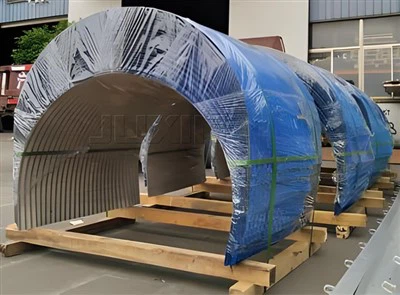
As a supplier of idler frames, I've witnessed firsthand the critical role these components play in the smooth operation of conveyor systems. One of the most significant challenges faced in the industry is ensuring that idler frames can withstand the shocks and vibrations that come with heavy - duty use. In this blog, I'll share some effective ways to enhance the shock resistance of an idler frame.
Understanding the Causes of Shock in Idler Frames
Before we delve into the solutions, it's essential to understand what causes shock in idler frames. The primary sources of shock are the impact of materials as they are loaded onto the conveyor belt, uneven distribution of weight on the belt, and the movement of large or heavy objects. These shocks can lead to premature wear and tear, misalignment, and even structural damage to the idler frame.
The Importance of Material Selection
One of the fundamental steps in improving shock resistance is choosing the right materials for the idler frame. High - strength steel is a popular choice due to its excellent toughness and ability to absorb energy. Alloy steels, in particular, offer enhanced properties such as increased yield strength and hardness. These materials can withstand the sudden forces caused by shock and are less likely to deform under stress.
Another option is using composite materials. Composites, such as fiberglass - reinforced plastics, have a high strength - to - weight ratio. They are also corrosion - resistant and can dampen vibrations effectively. While the initial cost of composite idler frames might be higher, their long - term durability can lead to cost savings in terms of reduced maintenance and replacement.
Design Considerations
The design of the idler frame plays a crucial role in its shock - absorption capabilities. A well - designed frame should distribute the shock forces evenly across its structure. For instance, the shape of the frame can be optimized to avoid stress concentrations. Curved or gently sloped shapes can help in guiding the shock waves and reducing the impact at specific points.
Incorporating shock - absorbing elements into the design is also a smart approach. Rubber pads or springs can be added at strategic locations, such as where the idler rollers are attached to the frame. These elements can absorb and dissipate the energy from shock, protecting the frame from the full force of the impact.
Reinforcement and Bracing
Reinforcing the idler frame can significantly improve its shock resistance. Adding extra ribs or gussets to the frame can increase its stiffness and strength. These reinforcements help in distributing the shock loads more effectively and prevent the frame from bending or breaking.
Bracing is another important aspect of reinforcement. Diagonal braces can be installed to provide additional support to the frame, especially in areas that are prone to high - stress levels. This type of bracing can enhance the overall stability of the idler frame and make it more resistant to shocks.
Maintenance and Inspection
Regular maintenance and inspection are essential for ensuring the long - term shock resistance of an idler frame. Over time, the frame can experience wear and tear, which can reduce its ability to withstand shocks. Components such as rubber pads or springs may need to be replaced periodically to maintain their shock - absorbing properties.


Inspecting the frame for signs of damage, such as cracks or deformation, is also crucial. Catching these issues early can prevent further damage and costly downtime. Maintenance personnel should also check the alignment of the idler rollers regularly, as misaligned rollers can cause uneven stress on the frame and increase the likelihood of shock damage.
Application - Specific Solutions
Different applications may require specific solutions to improve shock resistance. For example, in a mining environment where large rocks are being transported, the idler frames need to be more robust. The self - aligning idler frames, like those available at Self Aligning Idler Frame, can be a great option in such scenarios. They can adjust to the movement of the conveyor belt and the impact of the heavy materials, reducing the shock on the frame.
In a manufacturing plant where precision is crucial, the carrying idler frames, as shown at Carrying Idler Frame, can be designed with shock - absorbing features to protect the products being transported. These frames can ensure a smooth and stable movement of the conveyor belt, minimizing the risk of damage to the goods.
The Conveyor Roller Bracket also plays an important role in shock resistance. A well - designed bracket can securely hold the rollers in place and transfer the shock forces to the frame in a controlled manner.
Conclusion
Improving the shock resistance of an idler frame is a multi - faceted process that involves material selection, design optimization, reinforcement, maintenance, and application - specific solutions. As a supplier, I'm committed to providing high - quality idler frames that can meet the diverse needs of our customers. By implementing these strategies, we can help our clients extend the lifespan of their conveyor systems, reduce maintenance costs, and improve overall operational efficiency.
If you're interested in learning more about our idler frames or would like to discuss your specific requirements for shock - resistant solutions, please don't hesitate to reach out. Our team of experts is ready to assist you in finding the best products for your application and guide you through the procurement process.
References
- "Conveyor Belt Design and Operation" by J. A. Casale
- "Materials Science for Engineers" by Alastair R. M. Soares
- "Shock and Vibration Handbook" by Cyril M. Harris