How do pulleys work in a window blind system?
Hey there! As a pulleys supplier, I'm super excited to dive into the fascinating world of how pulleys work in a window blind system. You might not give much thought to the humble pulley when you're adjusting your blinds, but it plays a crucial role in making the whole process smooth and efficient.
Let's start with the basics. What exactly is a pulley? Well, a pulley is a simple machine that consists of a wheel with a grooved rim and a rope or cable that runs along the groove. The main purpose of a pulley is to change the direction of a force or to multiply the force applied. In the context of window blinds, pulleys are used to make it easier to raise and lower the blinds.
In a typical window blind system, there are usually two main types of pulleys at work: fixed pulleys and movable pulleys. A fixed pulley is attached to a stationary object, like the top of the window frame. Its job is to change the direction of the force applied. For example, when you pull down on the cord to lower the blinds, the fixed pulley redirects that downward force into an upward force on the other side of the pulley, which helps to lift the blinds.
On the other hand, a movable pulley is attached to the object being moved, in this case, the blinds themselves. Movable pulleys are used to multiply the force applied. When you pull on the cord, the movable pulley moves along with the blinds, and it effectively doubles the force you're applying. This means you don't have to pull as hard to raise or lower the blinds, making the whole operation much easier.
Now, let's take a closer look at how these pulleys work together in a window blind system. When you first install the blinds, the cords are threaded through a series of pulleys. The fixed pulleys are typically located at the top of the window frame, while the movable pulleys are attached to the blinds. As you pull on the cord, the force is transferred through the pulleys, causing the blinds to move up or down.
One of the key advantages of using pulleys in a window blind system is that it allows for a much more controlled movement. By changing the direction and multiplying the force, you can easily adjust the height of the blinds to let in just the right amount of light. This is especially useful in rooms where you want to have precise control over the lighting, such as a bedroom or a home office.
Another benefit of using pulleys is that they make the system more durable. Since the pulleys help to distribute the force evenly, there is less stress on the cords and the blinds themselves. This means that the system is less likely to break or malfunction over time, saving you money on repairs and replacements.
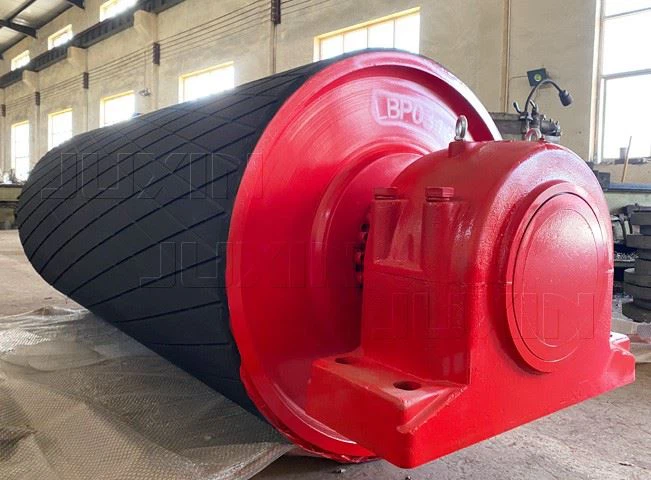
In addition to the standard fixed and movable pulleys, there are also other types of pulleys that can be used in a window blind system. For example, Lagged Drum Pulley is a specialized type of pulley that is often used in industrial applications. It features a lagged surface, which provides better grip and traction for the cord, making it ideal for use in heavy-duty window blind systems.
Another type of pulley is the Tail Drum Pulley. This pulley is typically used at the end of a conveyor system, but it can also be adapted for use in a window blind system. The tail drum pulley helps to maintain tension in the cord and ensures smooth operation.
Finally, the Conveyor Tail Drum is another important component in a window blind system. It is similar to the tail drum pulley but is designed specifically for use in conveyor systems. The conveyor tail drum helps to guide the cord and keep it in place, preventing it from slipping or getting tangled.
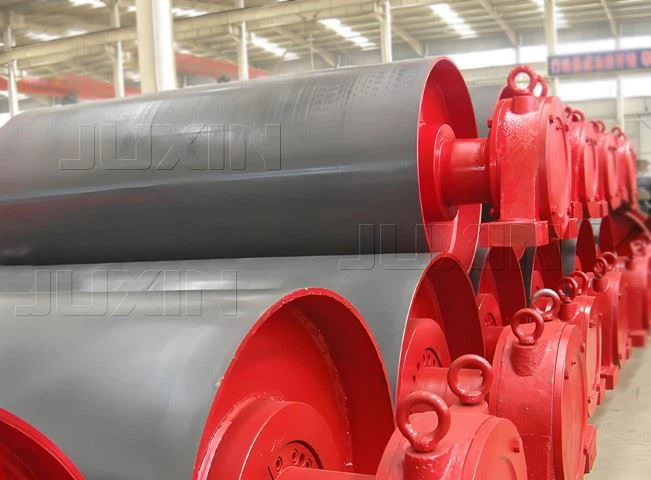
As a pulleys supplier, I understand the importance of providing high-quality products that meet the needs of my customers. That's why I offer a wide range of pulleys for window blind systems, including fixed pulleys, movable pulleys, lagged drum pulleys, tail drum pulleys, and conveyor tail drums. All of my pulleys are made from durable materials and are designed to provide reliable performance.
If you're in the market for pulleys for your window blind system, I encourage you to get in touch with me. Whether you're a homeowner, a contractor, or a window blind manufacturer, I can help you find the right pulleys for your needs. I offer competitive prices, fast shipping, and excellent customer service. So don't hesitate to reach out and start a conversation. Let's work together to make your window blind system more efficient and reliable.
References
- Mechanics of Simple Machines: Understanding Pulleys, Textbook on Engineering Mechanics
- Window Blind Technology and Design Principles, Industry Publication