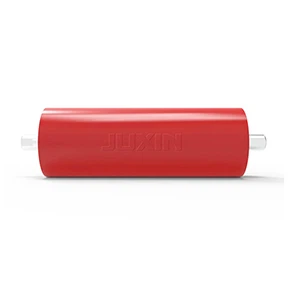
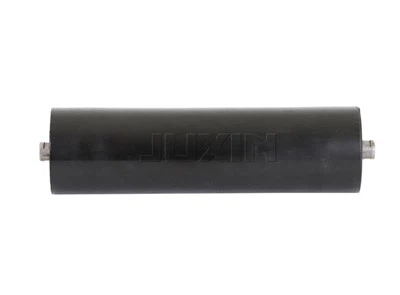
To truly address the concept of an "Idler Roller Replacement Plan: Stop Panic Buying, Start Predicting?", the industrial landscape of bulk material handling must undergo a significant paradigm shift, transitioning from traditional mechanical maintenance to a sophisticated, data-driven methodology that prioritizes the longevity of assets and the optimization of capital.
For decades, the management of conveyor systems has been characterized by a reactive posture, where the failure of a single conveyor belt roller was viewed merely as an operational hazard to be addressed through a "fix-on-failure" approach. However, modern reliability engineering and procurement strategies now recognize that such a reactive stance is fundamentally unsustainable, leading to escalated Total Cost of Ownership (TCO) and significant operational disruptions. A comprehensive conveyor roller replacement plan is no longer just a maintenance requirement; it is a strategic procurement framework that positions every roller as a vital data point within a broader predictive ecosystem. By implementing a robust roller replacement plan and utilizing high-fidelity roller inspection data, organizations can move beyond the "panic buying" phase and enter an era of strategic, predictive control.

Introduction: What You Will Learn in This Guide
Conveyor roller replacement strategies that succeed share five core principles:
Go Beyond Reactive to Predictive
Reactive replacement destroys ROI and exaggerates TCO.
Predictive replacement increases the life of assets by 20-40.
Develop a 3-Tier Inspection System
Daily sensory checks.
Weekly vibration analysis.
Thermal and wear monthly audits.
Transform Data into Purchasing Operations
Use condition thresholds, not guesswork.
Buy at the same time as the remaining useful life.
Maximize Inventory Conveyor Zone
Hot spots = hot inventory.
Low-wear areas = little capital lockup.
Hardware to Failure Mode Mappings
Correct idler roller selection prevents repeat failures.
Proper roller bearing selection reduces energy loss and heat.
Why is it important to customers and the industry?
Roller inventory management is no longer about stocking part-it's about protecting uptime, capital, and safety.
Customers gain
Foreseeable maintenance costs.
Reduced total cost of ownership.
Less belt damage and fire hazard.
Better supplier responsibility.
Industries gain
Higher system reliability.
Lower energy consumption.
Adherence to safety standards.
Procurement credibility at the executive level.
Why Does Reactive Conveyor Roller Replacement Increase TCO?
Financial consequences of reactive maintenance are enormous, and most of the time they are underrated by industrial management. When a conveyor roller replacement is performed only after a catastrophic failure, the organization incurs costs that far exceed the price of the replacement part. Reactive maintenance, often termed "firefighting," traps maintenance teams in a cycle of emergency repairs, where the urgency of the moment overrides any possibility of strategic roller inventory management. Research has continually demonstrated the cost of emergency repair as being three to five times the planned maintenance work as a result of rush-order premiums, expedited delivery, and overtime work. The effect of unplanned downtime is worse in high-capacity manufacturing and mining facilities, whose losses of between 10,000 and more than 250,000 per hour are incurred. Consequently, any conveyor roller replacement plan that relies on reactive fixes is essentially a plan for capital erosion.
Why Is Just-in-Case Roller Inventory Management Risky?
One of the most insidious consequences of a poorly structured roller replacement plan is the accumulation of "Dead Capital" in the form of "just-in-case" inventory. Fearing the catastrophic costs of downtime, procurement managers often over-order a wide variety of rollers without a clear understanding of their specific idler roller selection needs. This leads to warehouses filled with obsolete or degrading conveyor belt roller units that tie up liquidity and increase carrying costs. Effective roller inventory management requires a shift away from hoarding parts toward a model of precision procurement, where every conveyor roller replacement is anticipated by accurate roller inspection data.
|
Maintenance Strategy |
ROI Profile |
Impact on TCO |
Procurement Posture |
|
Reactive (Fix-on-Failure) |
Negative |
High (3-5x premiums) |
Panic/Urgent Buying |
|
Preventive (Time-Based) |
Neutral |
Moderate (Over-maintenance) |
Scheduled Bulk Buying |
|
Predictive (Data-Driven) |
High |
Optimized (25-30% reduction) |
Precision Procurement |
The physical impact of a failed conveyor belt roller is often described as the "Pizza Cutter" effect. When a roller bearing selection fails, and the shell seizes, the moving belt is dragged across a stationary metal edge. Extreme heat is produced by this friction, and the belt carcass is quickly worn away, which is the most costly part of the whole system. A single $50 roller, if not replaced according to a timely roller replacement plan, can easily destroy a belt worth $50,000, illustrating the catastrophic ripple effects of poor idler roller selection and inadequate roller inspection data.

How Reactive Roller Fixes Can Be Replaced by Predictive Control?
Transitioning from a reactive "firefighting" mode to a state of strategic planning requires a fundamental reimagining of the conveyor roller replacement process. Instead of viewing a failed conveyor belt roller as an isolated mechanical event, reliability engineers must treat it as a signal that the current roller replacement plan requires adjustment. By utilizing predictive analytics and real-time roller inspection data, organizations can extend the lifespan of their assets by 20% to 40% and reduce maintenance-related energy consumption by up to 20%. This shift is not merely about changing how a conveyor belt roller is used; it is about changing how a procurement manager views the roller inventory management cycle. A proactive roller replacement plan ensures that the right idler roller selection is made based on the actual condition of the equipment, rather than generic manufacturer recommendations.
Why Does TCO Matter in Conveyor Roller Replacement Plans?
The primary and, perhaps, the most important precheck in creating a high-ROI strategy is the necessity to adopt a Total Cost of Ownership (TCO) mentality. TCO demands that managers move past just the immediate purchase and see the entire range of costs incurred between the purchase and disposal. A lower-priced conveyor belt roller may seem attractive initially, but it can generate significantly higher long-term expenses through energy inefficiency and frequent conveyor roller replacement needs. An actual TCO analysis includes initial costs, operating costs, and maintenance costs for the life of the asset. This view turns procurement from a cost reduction process into a value-investor productivity system.
How Do You Build Reliable Roller Inspection Data Systems?
The efficacy of any conveyor roller replacement plan is entirely dependent on the quality and frequency of the roller inspection data collected. Companies that only do visual inspection periodically tend to be surprised by unsuspected failures. In order to make this process professional, a 3-level inspection plan is needed, and what seemed to be a mere sensory observation is transformed into an organized quantitative audit. This tiered approach ensures that every conveyor belt roller is monitored through multiple lenses, from daily walks to monthly technical scans, providing the necessary roller inspection data to optimize roller inventory management.
Tier 1: How Do Daily Checks Detect Early Conveyor Belt Roller Issues?
The Walk-the-line Method
Daily inspections represent the frontline of any robust roller replacement plan. Although the conventional approach is usually to listen to a screwdriver, daily scans in the 21st century must be more methodical. Maintenance personnel are trained to identify specific auditory and visual signals that indicate the early stages of failure in a conveyor belt roller.
Auditory Analysis
Distinguishing between a high-pitched "squeal" and a low-frequency "grind" is critical for accurate roller bearing selection assessment. A squeal may be a sign of a seal failure, loss of lubrication, but a grinding is an indication of a more serious cage collapse or pitting upon the raceway.
Visual Inspection
In addition to the presence of non-rotating rollers, the inspectors are to look at red dust, which is a sign of fretting corrosion. This fine red powder (Fe2O3) signifies that micro-movements are occurring between the shaft and the housing, often due to improper roller bearing selection or installation tolerances.
Tier 2: Why Weekly Vibration Checks are Important to the Rollers?
On a weekly basis, the conveyor roller replacement plan dictates a more intensive physical evaluation. This involves monitoring material carryback on return rollers, which creates imbalances that accelerate shell wear and stress the roller bearing selection. Handheld vibration pens are also used weekly to check the earthquakes that are not audible yet. Vibration analysis is a powerful tool for identifying imbalances or early-stage bearing failures in a conveyor belt roller, allowing for a more predictable roller replacement plan.
|
Vibration Metric (ISO 10816-3) |
System Condition |
Required Procurement Action |
|
< 1.4 mm/s (RMS) |
Newly Commissioned |
Baseline Documentation |
|
1.4 - 2.8 mm/s (RMS) |
Unrestricted Operation |
Routine Monitoring |
|
2.8 - 4.5 mm/s (RMS) |
Restricted Operation |
Schedule Planned Replacement |
|
> 4.5 mm/s (RMS) |
Potential Damage |
Immediate Urgent Order |
Tier 3: What Monthly Metrics Predict Conveyor Roller Replacement?
The final tier of the protocol involves monthly quantitative audits that generate the high-precision roller inspection data required for sophisticated roller inventory management. This tier focuses on metrics that provide a clear timeline for the replacement of conveyor rollers.
Thermal Imaging
Infrared cameras are employed to record the temperature changes throughout the whole system. A conveyor belt roller exhibiting a temperature increase of 5℃ relative to its neighbors is an early indicator of failure. If the temperature rises to 20 ℃ or more above ambient, the roller replacement plan should move it to the top of the procurement list.
Wear Measurement
The 3mm rule is a compulsory production criterion of steel rollers. Once the shell thickness has decreased by 3mm or more due to abrasive wear, the roller's structural integrity is compromised, and a conveyor roller replacement must be initiated to prevent a total shell collapse.
Can Automated Systems Improve Roller Inspection Data?
The integration of automated systems significantly enhances the quality of roller inspection data while reducing the hazards associated with manual inspection walks. Automated conveyor roller inspection services involve a mix of ultrasound and thermography snapshots, which are captured at regular intervals with a combination of both, to detect degradation over a long time, before failure. These systems score the performance curve of individual idlers, and trend analysis is done to anticipate failure early in the potential failure (P-F) interval. This transition from manual judgment to scalable digital intelligence allows for a more consistent and cost-effective conveyor roller replacement plan.
How Can Roller Inspection Data Drive Procurement Decisions?
The true value of roller inspection data lies in its ability to be translated into specific procurement actions. A data-driven roller replacement plan uses a decision matrix to eliminate the ambiguity often found in maintenance logs. By categorizing failures based on their severity and expected remaining life, procurement managers can optimize their roller inventory management and leverage bulk pricing strategies.
Scenario A: Red Alert (High Temp >60 °C)
When a conveyor belt roller shows a temperature signature exceeding $60^{\circ}C$, the diagnosis is imminent seizure, typically within a 2-to-4-week window.8 In this scenario, the conveyor roller replacement plan mandates an Urgent Order. The procurement team will have to acquire the exact signal that will be installed in the next planned shutdown or planned window of opportunity. This helps to avoid the roller reaching the catastrophic failure phase, where the roller would either damage the belt or create a fire hazard.
20%)" class="ck-widget-pt">Scenario B: The " Yellow Flag" ( Shell Wear >20%)
If the roller inspection data indicates that shell wear has exceeded 20% of the original thickness, the failure is predictable within 3 to 6 months. This triggers a Bulk Order action within the roller replacement plan. Instead of purchasing them on a case-by-case basis at retail store prices, the organization is able to condense such needs into a quarterly procurement cycle, thereby obtaining volume discounts and saving shipping expenses. This is the hallmark of efficient roller inventory management.
Scenario C: The "Early Warning" (Acoustic Noise)
Detection of early pitting through acoustic sensors suggests that the conveyor belt roller remains functional for 6 to 12 months.8 In this case, no immediate purchase is required. Rather, it is utilized in the budget forecasting of the next fiscal year. This approach prevents "Dead Capital" from sitting in the warehouse while ensuring that funds are allocated when the conveyor roller replacement finally becomes necessary.
How Can Roller Inventory Management Eliminate Dead Capital?
A sophisticated roller replacement plan recognizes that not all sections of a conveyor system are created equal. Organizations often fail in their roller inventory management by stocking the same quantity of rollers for every part of the line. The concept of strategic optimization will entail the concept of Zone Mapping, of the place where resources are intended to be focused.
How Should Conveyor Belt Rollers Be Zoned by Wear?
A conveyor system is supposed to be separated into stress zones. Impact zones, where material is loaded, experience high kinetic energy and require a more robust idler roller selection and frequent conveyor roller replacement. On the other hand,return zones are less prone to wear but prone to accumulation. A data-driven roller replacement plan allocates 60% of the spare parts budget to high-wear zones while maintaining minimal stock for low-wear areas.
Impact Zones
Require specialized idler roller selection with reinforced housings to absorb shock.
Transition Zones
Demand precision roller bearing selection to handle varying belt tensions.
Return Zones
Focus on idler roller selection with self-cleaning properties to prevent imbalance.
When zone swap rule is applicable in heavy industry?
The 20 percent Threshold is a vital management philosophy in harsh medium and high-intensity contexts such as mining. If roller inspection data shows that 20% of the rollers in a specific bank or section have failed, the probability of failure for the remaining 80% increases exponentially. In this situation, the conveyor roller replacement plan should dictate a full "Zone Swap"-replacing every roller in that bank simultaneously. This averts the domino effect where the breakdown of one unit causes the other to have an extra load, and it causes a series of repetitive, inefficient repairs. This strategy professionalizes roller inventory management by prioritizing system-wide reliability over individual part longevity.
What is your approach to dealing with rollers in zero access zones?
For conveyor systems located in inaccessible areas, the roller replacement plan must be even more conservative. In these "Zero-Touch" zones, the idler roller selection should be based on a high L10 life rating. Procurement is triggered when the rollers reach 80% of their calculated L10 life, ensuring that a conveyor roller replacement occurs before any unplanned failure can happen in a location where repair is logistically difficult and dangerous.
Hardware Selection: Specs to Environment Data Matching?
The process of idler roller selection should never be a generic exercise; it must be a direct response to the specific failure modes identified in the roller inspection data. By linking environmental data to hardware upgrades, a roller replacement plan ensures that the new units are more resilient than the ones they replace.
|
Condition Detected |
Primary Failure Mode |
Optimized Hardware Upgrade |
|
Excessive Impact |
Shaft Deformation |
CEMA E/F Reinforced Units |
|
High Humidity/Salt |
Red Dust/Corrosion |
HDPE Shells + Triple Labyrinth Seals |
|
Abrasive Fine Dust |
Bearing Seizure |
SpinGuard® Seals + L10 > 30k hrs |
|
Material Adhesion |
Imbalance/Vibration |
Rubber Disc or Spiral Return Rollers |
Data: Bend Shafts and Ovalized housings
If the roller inspection data consistently reports bent shafts or ovalized housings, it is clear that the current idler roller selection is under-designed for the load. The solution to the procurement would be an upgrade to Reinforced Deep-Drawn Housings or CEMA D/E rated rollers. These units are engineered to withstand higher loads and provide better support for the roller bearing selection, significantly extending the time between each conveyor roller replacement.
Statistics: Red Dust and Seized Bearings
The presence of "red dust" indicates that moisture and contaminants are bypassing the seals and causing fretting corrosion in the roller bearing selection. To combat this, the roller replacement plan should specify HDPE Shells or Galvanized Steel combined with Triple Labyrinth Seals. These multi-stage seals are grease-filled and designed to make it nearly impossible for dust and water to reach the bearing, ensuring that the next conveyor roller replacement is years away.
Information: Sticky Carryback & Imbalance
When roller inspection data shows material buildup on return rollers, it leads to belt misalignment and increased motor load. The strategic idler roller selection for these areas includes Rubber Disc Return Rollers or Self-Cleaning Spiral Rollers. These designs facilitate the shedding of sticky material, maintaining the balance of the conveyor belt roller and reducing the frequency of the conveyor roller replacement cycle.
How Do Forged vs. Cast Components Impact Long-Term ROI?
Track rollers are the major elements of the undercarriage to be selected, and this is one of the key decisions to be made that affects the long-term financial health. The forged vs. cast dilemma is just a matter of either longevity or the upfront price. Forging forms an enhanced, continuous internal grained structure relative to the particle-board structure of casting, which is much more resistant to impact and fatigue fractures. While cast rollers may offer a lower initial purchase price, the total cost of ownership is often much lower with forged rollers in harsh environments due to a significant reduction in downtime costs and fewer required conveyor roller replacement events.
How Should Procurement Execute a Roller Replacement Plan?
The procurement managers in modern times do not simply issue purchase orders, but they are the gatekeepers of system reliability. To execute a successful buy within a roller replacement plan, the Request for Quotation (RFQ) process must be professionalized to include environmental data and rigorous quality standards.
What RFQ contains in case of Conveyor Rollers?
An effective RFQ for a conveyor roller replacement should go beyond basic dimensions. It has to contain the working data that was collected in the course of the inspection, including the material density, the speed of the conveyor (m/s), and the environmental pollution (salt spray or temperature variance). Procurement must clearly specify rollers that conform to the CEMA B, C, D, or E to make sure that the load ratings are well adjusted to the use. This specificity ensures that the idler roller selection is technically sound and defensible to the reliability engineering team.
What is the difference between Lead Times and Safety Stock?
A critical failure in roller inventory management is the inability to account for lead time variability. Whereas regular steel rollers can be delivered within 48 hours, units that are special (HDPE) or have custom dimensions can take 4 to 8 weeks to get there. The conveyor roller replacement plan must use a data-driven formula to set safety stock levels:
Safety Stock = Daily Usage Rate Lead Time + Operational Buffer.
This LaTeX formula allows procurement managers to quantify their risk and ensure that the roller replacement plan is never stalled by a supply chain gap.
How Should Suppliers Support Roller Replacement Plans?
The reliability engineers should consider Hardware + Protocol support when choosing a conveyor roller supplier. A quality supplier will not only provide the idler roller selection but also assist with life-cycle calculations and trend analysis of the roller inspection data. Also, procurement must require a Quality Check of all bulk orders, as well as requesting their runout specifications of not greater than 0.05mm. Minimizing runout is essential for ensuring smooth rotation at high speeds and reducing the vibration-induced stress that shortens the life of the roller bearing selection.
What Is the Business worth of Data-Led Replacement?
The transition to a data-led conveyor roller replacement plan is ultimately a financial decision. If fully outlining the benefits, by summarizing the benefits into three pillars, which include Cost, Asset, and Safety.
What Does Predictive Roller Replacement Save in Terms of Cost?
The elimination of emergency "panic buying" and the optimization of roller inventory management lead to a direct reduction in maintenance expenditures of 25% to 30%. By reducing "Dead Capital" and consolidating purchases into quarterly bulk orders, organizations can achieve a 50% to 60% reduction in inventory-related costs. This makes the conveyor roller replacement plan a primary driver of operational efficiency.
What Is the Conveyor Asset Protection of Roller Replacement?
The conveyor roller replacement plan serves as a safeguard for the facility's most expensive assets. By using roller inspection data to identify seizing rollers before they damage the belt, the organization prevents a $50 part from destroying a $50,000 belt. This safeguard not only prolongs the life of the whole conveyor system but also postpones the need to make big capital investments and enhances the ROI of the operation in the long run.
Why Does a Roller Replacement Plan Improve Safety?
The rollers that are seized are a great risk of fire, particularly where combustible dust is present. Furthermore, material spillage caused by failed rollers creates slip and trip hazards for personnel. A proactive conveyor roller replacement program minimizes human exposure to these dangers and reduces the risk of regulatory penalties from agencies like MSHA. In the eyes of corporate leadership, the safety improvements provided by a robust roller replacement plan are as valuable as the financial savings.
Summary: Collaborate With Reliable Partners
Conveyor roller replacement should never be an emergency. If your operation is still reacting to failures instead of predicting them, you are paying a hidden tax in downtime, labor, and inventory waste. A structured roller replacement plan, built on real roller inspection data, allows you to regain control of both maintenance and procurement. This approach transforms rollers from disposable parts into measurable, manageable assets.
A true partner does more than ship rollers-they help you interpret roller inspection data, select the right designs, and validate life-cycle assumptions. When your roller replacement plan is supported by suppliers who understand load, environment, and failure modes, every replacement increases system resilience instead of repeating past mistakes. This partnership approach reduces vibration, prevents belt damage, and ensures procurement decisions stand up to engineering scrutiny.The result is lower TCO, higher uptime, and a maintenance team that works strategically instead of under pressure.
Author Profile
Li Hui, General Manager of Hebei Juxin Conveying Engineering Co., Ltd., is a visionary leader with profound expertise in belt conveyor systems. Her journey began by establishing Juxin's Overseas Business Department, achieving a remarkable export breakthrough that inspired the bulk material handling industry. With extensive real-world experience, including in-depth market research across six countries and establishing five overseas branches, Li Hui understands diverse material handling requirements globally. Her commitment to "healthy businesses," driving Juxin's transformation to data-driven management, and leading R&D efforts for different types of conveyor systems demonstrates her ability to empathize with user pain points, providing practical, innovative conveyor selection guide insights and robust conveyor solutions.
WeChat
+86 13920569869
Linkedin
https://www.linkedin.com/in/Sunshine Lee/
E-Mail
sales011@dgsconveyor.com