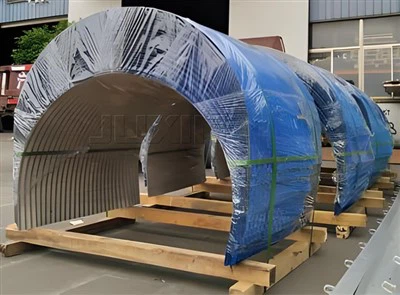
Stringers play a crucial role in various industries, especially in conveyor systems. As a seasoned stringer supplier, I've witnessed firsthand the diverse applications and the importance of choosing the right materials for stringers. In this blog, I'll delve into the different materials used to make stringers, their characteristics, and the ideal scenarios for each.
Steel Stringers
Steel is one of the most commonly used materials for stringers. It offers a wide range of advantages that make it suitable for a multitude of applications.
Characteristics
- High Strength: Steel stringers are known for their exceptional strength. They can withstand heavy loads without significant deformation, making them ideal for industrial conveyor systems that handle large - volume or heavy - duty items. For example, in mining operations, steel stringers are used in conveyors that transport tons of ore and minerals daily.
- Durability: With proper maintenance, steel stringers can have a long service life. They are resistant to wear and tear, which is crucial in environments where the stringers are constantly in contact with moving parts or abrasive materials.
- Versatility: Steel can be easily fabricated into different shapes and sizes according to specific requirements. Whether it's a simple straight stringer or a complex curved one, steel can be customized to fit the design of the conveyor system.
Applications
- Industrial Conveyors: In manufacturing plants, steel stringers are used in conveyor systems for transporting raw materials, work - in - progress, and finished products. They are also commonly found in automotive assembly lines, where they support the movement of heavy car components.
- Warehousing: Steel stringers are essential in warehouse conveyor systems. They help in the efficient movement of goods, from receiving to storage and shipping. The high strength of steel ensures that the conveyor can handle the weight of pallets and large containers.
If you're interested in steel - based stringer solutions, you can explore our Conveyor Stringer Frame, which offers a robust and reliable option for your conveyor needs.
Aluminum Stringers
Aluminum is another popular material for stringers, particularly in applications where weight is a concern.


Characteristics
- Lightweight: Aluminum stringers are significantly lighter than steel stringers. This makes them easier to handle during installation and reduces the overall weight of the conveyor system. In applications where mobility is important, such as in portable conveyor setups, aluminum stringers are a preferred choice.
- Corrosion Resistance: Aluminum has a natural oxide layer that provides good resistance to corrosion. This makes it suitable for use in outdoor environments or areas with high humidity, such as food processing plants where regular cleaning with water and chemicals is required.
- Good Conductivity: Aluminum is a good conductor of heat and electricity. In some specialized applications where heat dissipation or electrical grounding is necessary, aluminum stringers can be advantageous.
Applications
- Food and Beverage Industry: The corrosion resistance and ease of cleaning of aluminum stringers make them ideal for use in food and beverage processing plants. They can be used in conveyors that transport food products, ensuring a hygienic and safe environment.
- Aerospace and Aviation: In the aerospace industry, where weight is a critical factor, aluminum stringers are used in conveyor systems for handling lightweight components and parts.
Our Belt Conveyor Stringer made of aluminum offers a lightweight and durable solution for conveyor systems.
Plastic Stringers
Plastic stringers are a relatively newer option, but they have gained popularity due to their unique properties.
Characteristics
- Low Friction: Plastic has a low coefficient of friction, which means that it can reduce the power consumption of the conveyor system. Items can slide more easily along plastic stringers, resulting in smoother operation.
- Chemical Resistance: Plastic stringers are resistant to a wide range of chemicals, making them suitable for use in chemical processing plants, laboratories, and other environments where exposure to corrosive substances is a concern.
- Low Noise Operation: Compared to metal stringers, plastic stringers produce less noise during operation. This can be beneficial in indoor environments where noise levels need to be kept to a minimum.
Applications
- Electronics Manufacturing: In the electronics industry, plastic stringers are used in conveyor systems for handling delicate components. The low friction and non - conductive properties of plastic help prevent damage to electronic parts.
- Pharmaceutical Industry: The chemical resistance and hygienic nature of plastic make it a suitable material for use in pharmaceutical manufacturing plants. Plastic stringers can be used in cleanroom environments to ensure the integrity of pharmaceutical products.
Composite Stringers
Composite materials are becoming increasingly popular for stringers as they combine the best properties of different materials.
Characteristics
- Tailored Properties: Composites can be engineered to have specific properties, such as high strength - to - weight ratio, corrosion resistance, and low thermal expansion. Manufacturers can adjust the composition of the composite to meet the exact requirements of the application.
- Design Flexibility: Composite materials can be molded into complex shapes more easily than some traditional materials. This allows for the creation of unique and optimized stringer designs.
Applications
- Marine and Offshore: In marine and offshore applications, composite stringers are used in conveyor systems due to their corrosion resistance and high strength. They can withstand the harsh saltwater environment and heavy loads.
- Renewable Energy: In the wind energy industry, composite stringers can be used in conveyor systems for handling large turbine components. The high strength - to - weight ratio of composites is beneficial in reducing the weight of the overall system.
Choosing the Right Material for Your Needs
When selecting the material for stringers, several factors need to be considered:
- Load Requirements: If the conveyor system needs to handle heavy loads, steel or composite stringers may be the best choice. For lighter loads, aluminum or plastic stringers can be sufficient.
- Environmental Conditions: In corrosive environments, such as chemical plants or outdoor areas with high humidity, aluminum, plastic, or composite stringers are more suitable. In high - temperature environments, materials with good heat resistance should be selected.
- Cost: The cost of the material is also an important factor. Steel is generally more cost - effective for heavy - duty applications, while aluminum and plastic may be more expensive but offer other advantages such as weight reduction and corrosion resistance.
As a leading stringer supplier, we understand the importance of choosing the right material for your conveyor system. Our team of experts can provide you with professional advice and high - quality stringer products. Whether you need steel, aluminum, plastic, or composite stringers, we have the solutions to meet your requirements.
If you're interested in our stringer products or need more information, we invite you to contact us for a detailed discussion on your specific needs. Our experienced sales team is ready to assist you in selecting the most suitable stringer materials and configurations for your project.
References
- ASM Handbook: Metals Properties and Selection, Volume 1
- Polymer Science and Technology Handbook
- Composite Materials: Design and Applications Guide