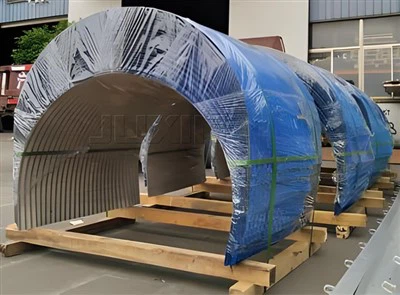
As a supplier of Conveyor Wear Plates, I've had the opportunity to work closely with a wide range of industries that rely on conveyor systems. These plates play a crucial role in protecting conveyor belts and other components from excessive wear and tear. However, like any technology or product, conveyor wear plates come with their own set of disadvantages. In this blog, I'll delve into some of the key drawbacks that users may encounter when using conveyor wear plates.
1. High Initial Cost
One of the most significant disadvantages of using conveyor wear plates is the high initial cost. These plates are typically made from high - grade materials such as Abrasion Resistant Steel Plate, which are designed to withstand extreme abrasion and impact. The cost of these materials, along with the manufacturing process involved in shaping and finishing the plates, can be quite substantial.
For small - scale industries or businesses with limited budgets, the upfront investment in conveyor wear plates can be a deterrent. They may need to allocate a significant portion of their capital expenditure to purchase these plates, which can strain their financial resources. Additionally, the cost of installation also adds to the overall expense. Specialized equipment and trained personnel are often required for proper installation, further increasing the initial outlay.
2. Maintenance Requirements
Conveyor wear plates require regular maintenance to ensure their optimal performance. Over time, the plates can become worn or damaged due to the continuous contact with conveyed materials. This wear can lead to a decrease in their effectiveness in protecting the conveyor system.
Routine inspections are necessary to detect any signs of wear, cracking, or deformation. Replacement of worn - out plates must be carried out in a timely manner to prevent further damage to the conveyor belts and other components. Moreover, the plates need to be cleaned regularly to remove any dirt, debris, or build - up that can affect their performance.
The maintenance process can be time - consuming and labor - intensive. It may require shutting down the conveyor system, which can result in production downtime. This downtime can have a negative impact on productivity and profitability, especially in industries where continuous operation is crucial.
3. Limited Flexibility
Conveyor wear plates are designed to fit specific conveyor systems. Once installed, they have limited flexibility in terms of modification or adaptation to changing operational requirements.
If a company decides to change the type of materials being conveyed, the speed of the conveyor, or the layout of the system, the existing wear plates may no longer be suitable. In such cases, new wear plates need to be purchased and installed, which incurs additional costs and downtime.
Furthermore, conveyor wear plates are often custom - made to fit the precise dimensions of a conveyor system. This means that they cannot be easily transferred or reused in other conveyor setups. If a company decides to upgrade or replace its conveyor system, the existing wear plates may become obsolete and need to be discarded.
4. Weight and Space Considerations
Conveyor wear plates are generally heavy, especially those made from thick and durable materials. The added weight of these plates can put additional stress on the conveyor structure, including the belts, rollers, and frames. This can lead to premature wear and tear of these components, as well as an increased risk of mechanical failures.
In addition, the installation of wear plates takes up space within the conveyor system. In applications where space is limited, this can be a significant drawback. It may restrict the movement of the conveyed materials or make it difficult to access other parts of the conveyor for maintenance or repair.
5. Environmental Impact
The manufacturing and disposal of conveyor wear plates can have a negative environmental impact. The production of Abrasion Resistant Steel Plate involves energy - intensive processes such as mining, smelting, and rolling. These processes consume large amounts of natural resources and generate greenhouse gas emissions.
Moreover, when the wear plates reach the end of their useful life, they need to be disposed of properly. If not recycled, they can end up in landfills, contributing to the growing problem of waste management. Recycling conveyor wear plates can be challenging due to their composition and the presence of coatings or other contaminants.
6. Compatibility Issues
Conveyor wear plates need to be compatible with the type of materials being conveyed. In some cases, there may be compatibility issues between the wear plates and the conveyed materials, which can lead to problems such as material sticking, corrosion, or accelerated wear of the plates.
For example, if the conveyed materials are highly corrosive, the wear plates may need to be made from corrosion - resistant materials. Otherwise, the plates will corrode quickly, reducing their lifespan and effectiveness. Similarly, if the materials have a high coefficient of friction, the wear plates may experience excessive wear due to the increased frictional forces.
Impact on the Conveyor System
The use of conveyor wear plates can also have indirect effects on the conveyor system as a whole. The altered surface properties of the conveyor due to the wear plates can change the dynamics of the conveyed materials. For instance, the flow pattern of granular materials may be disrupted, leading to uneven distribution or blockages in the conveyor.
The additional friction introduced by the wear plates can also cause an increase in the power consumption of the conveyor system. The conveyor motor needs to work harder to overcome the frictional forces, resulting in higher energy costs over time.
Conclusion
Despite these disadvantages, conveyor wear plates remain an essential component in many conveyor systems. They offer significant protection against wear and extend the lifespan of the conveyor belts and other components. However, it's important for users to be aware of the potential drawbacks and take them into consideration when making purchasing decisions.
If you're in the market for Conveyor Wear Plates, we're here to help. Our team of experts can provide you with detailed information about our products, including their advantages and disadvantages, and help you determine the best solution for your specific needs. Contact us to start a discussion about your conveyor wear plate requirements and explore how we can assist you in optimizing your conveyor system.


References
- "Conveyor Belt Technology Handbook"
- "Materials Science for Conveyor Components"
- Industry reports on conveyor system maintenance and performance.