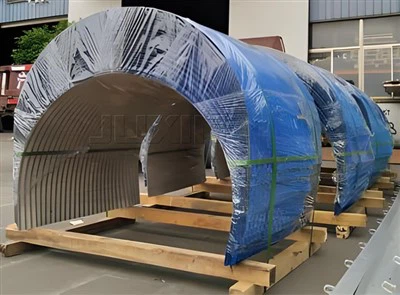
Hey there! As a mobile stacker supplier, I often get asked about how to store these machines during the off - season. It's a crucial topic because proper storage can significantly extend the lifespan of your mobile stacker and save you a ton of money in the long run. So, let's dive right into it!
1. Pre - storage Inspection
Before you even think about putting your mobile stacker away, you've got to do a thorough inspection. This is like giving your stacker a full - body check - up. First, take a look at the structural components. Check for any signs of cracks, bends, or loose bolts. These issues can worsen over time if left unattended, and they could lead to major problems when you try to use the stacker again.
Next, examine the conveyor belts. Look for any signs of wear and tear, like fraying or uneven wear. If you spot any issues, it's better to replace the belts or make the necessary repairs before storage. You don't want to come back to a stacker with a broken belt after the off - season.
Also, don't forget about the electrical components. Check all the wiring for any signs of damage, such as exposed wires or loose connections. Faulty electrical systems can be dangerous and can also cause the stacker to malfunction. You can find more information about different types of stackers, like the Truss Conveyor, which might have unique electrical requirements for inspection.
2. Cleaning the Mobile Stacker
Once the inspection is done, it's time to clean the stacker. A dirty stacker can attract rust and corrosion, which are the enemies of any metal equipment. Start by removing all the debris from the conveyor belts, hoppers, and other parts. You can use a broom or a compressed air gun to blow away the loose dirt.
For more stubborn dirt and grime, you can use a mild detergent and a soft brush. Make sure to rinse it thoroughly with clean water to avoid leaving any residue. Pay special attention to the areas where material tends to accumulate, like the corners of the hopper and the joints of the conveyor.


After cleaning, dry the stacker completely. Moisture is a major cause of rust, so you don't want any water left on the machine. You can use a clean cloth to wipe down the surfaces or let it air - dry in a well - ventilated area.
3. Lubrication
Lubrication is key to keeping the moving parts of your mobile stacker in good condition during storage. Check the manufacturer's guidelines for the recommended lubricants and the proper lubrication points. Usually, the bearings, chains, and gears need to be lubricated.
Apply the lubricant evenly to the moving parts. This will prevent them from seizing up due to lack of use during the off - season. Make sure to use the right amount of lubricant; too much can attract dirt, while too little won't provide enough protection.
4. Storage Location
Choosing the right storage location is crucial. Ideally, you want to store the mobile stacker in a dry, covered area. A warehouse or a shed is a great option. This will protect the stacker from the elements, such as rain, snow, and direct sunlight.
If you don't have access to a covered area, you can use a high - quality waterproof tarp to cover the stacker. Make sure the tarp is securely fastened to prevent it from blowing off in the wind. However, keep in mind that a tarp is not as effective as a proper storage building.
The storage area should also be well - ventilated. Stagnant air can lead to the growth of mold and mildew, which can damage the stacker's components. Additionally, make sure the area is free from any potential hazards, like sharp objects or heavy machinery that could accidentally damage the stacker.
5. Securing the Stacker
Once you've found the right storage location, it's time to secure the stacker. This will prevent it from moving around and getting damaged. You can use wheel chocks to prevent the stacker from rolling if it has wheels.
If the stacker has any movable parts, like the boom of a Mobile Telescopic Stacker, make sure to secure them in the proper position. You can use straps or ropes to hold them in place. This will prevent any unnecessary movement that could cause damage to the structure or the components.
6. Battery Maintenance (if applicable)
If your mobile stacker is battery - powered, proper battery maintenance is essential. First, fully charge the battery before storage. A fully charged battery is less likely to freeze in cold temperatures and can also hold its charge better over time.
Remove the battery from the stacker if possible. Store it in a cool, dry place and check the charge level periodically during the off - season. If the battery starts to lose its charge, recharge it to prevent it from becoming completely discharged, which can damage the battery permanently.
7. Documentation
Keep all the relevant documentation related to the mobile stacker during storage. This includes the user manual, maintenance records, and inspection reports. Having this information on hand will make it easier to perform any necessary maintenance or repairs when you're ready to use the stacker again.
It's also a good idea to take pictures of the stacker before storage. This can serve as a reference in case there are any issues or damages that occur during the off - season.
8. Periodic Checks
Even though the stacker is in storage, it's important to perform periodic checks. Every few weeks, take a look at the stacker to make sure everything is still in good condition. Check for any signs of rust, corrosion, or damage that might have occurred.
Inspect the lubrication levels and add more if necessary. Also, check the battery charge if applicable. By doing these periodic checks, you can catch any potential problems early and prevent them from becoming major issues.
Conclusion
Storing a mobile stacker during the off - season requires some effort, but it's definitely worth it. By following these steps, you can ensure that your stacker is in good condition when you're ready to use it again. Proper storage not only extends the lifespan of the machine but also reduces the risk of breakdowns and costly repairs.
If you're in the market for a new mobile stacker or need more advice on storage and maintenance, we're here to help. We offer a wide range of high - quality stackers, including the Portable Stacker Conveyor. Don't hesitate to reach out to us for more information or to start a purchase negotiation. We're always happy to assist you in finding the right stacker for your needs.
References
- Manufacturer's user manuals for mobile stackers
- Industry best practices for equipment storage and maintenance