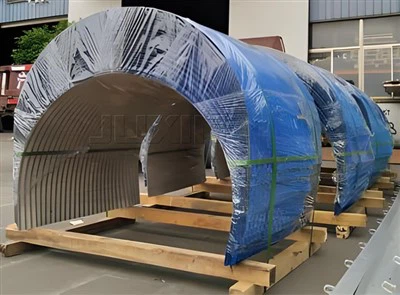
Maintaining a conveyor cover hood is crucial for ensuring the smooth operation of conveyor systems. As a supplier of Conveyor Cover Hood, I understand the significance of proper maintenance in extending the lifespan of these essential components and optimizing the performance of conveyor systems. In this blog post, I will share some practical tips on how to maintain a conveyor cover hood effectively.
Regular Inspection
Regular inspection is the first step in maintaining a conveyor cover hood. It allows you to identify any potential issues early on and take appropriate measures to prevent them from escalating into major problems. Here are some key areas to focus on during the inspection:
- Structural Integrity: Check for any signs of damage, such as cracks, dents, or corrosion, on the hood's frame and panels. These issues can compromise the hood's strength and stability, leading to safety hazards and reduced performance.
- Sealing: Inspect the seals around the edges of the hood to ensure they are intact and properly seated. A good seal is essential for preventing dust, debris, and moisture from entering the conveyor system, which can cause damage to the belts, rollers, and other components.
- Fasteners: Check all the fasteners, including bolts, nuts, and screws, to make sure they are tight and secure. Loose fasteners can cause the hood to vibrate, which can lead to premature wear and tear and even detachment of the hood from the conveyor.
- Hinges and Latches: If the hood has hinges or latches, test them to ensure they are functioning properly. Damaged or worn-out hinges and latches can make it difficult to open and close the hood, which can affect maintenance and inspection activities.
Cleaning
Regular cleaning is essential for maintaining the appearance and functionality of a conveyor cover hood. Here are some tips on how to clean the hood effectively:


- Remove Debris: Use a brush or a vacuum cleaner to remove any loose debris, such as dust, dirt, and leaves, from the surface of the hood. This will prevent the debris from accumulating and causing damage to the hood over time.
- Wash with Mild Detergent: Mix a mild detergent with water and use a soft cloth or sponge to wash the hood. Avoid using abrasive cleaners or tools, as they can scratch the surface of the hood and damage the protective coating.
- Rinse Thoroughly: After washing the hood, rinse it thoroughly with clean water to remove any soap residue. Make sure to dry the hood completely before closing it to prevent moisture from causing corrosion.
- Clean the Interior: If possible, open the hood and clean the interior surfaces as well. This will help to remove any dust, debris, or spills that may have accumulated inside the hood.
Lubrication
Lubrication is important for ensuring the smooth operation of the moving parts of a conveyor cover hood, such as hinges and latches. Here are some tips on how to lubricate the hood properly:
- Choose the Right Lubricant: Select a lubricant that is suitable for the type of material used in the hood and the operating conditions. For example, if the hood is exposed to high temperatures or harsh chemicals, you may need to use a high-temperature or chemical-resistant lubricant.
- Apply the Lubricant: Use a small brush or a spray can to apply the lubricant to the moving parts of the hood. Make sure to apply the lubricant evenly and avoid over-lubrication, as this can attract dust and debris and cause the parts to stick.
- Wipe Off Excess Lubricant: After applying the lubricant, wipe off any excess with a clean cloth. This will prevent the lubricant from dripping onto the conveyor belts or other components and causing damage.
Repairs and Replacements
Despite regular maintenance, conveyor cover hoods may still require repairs or replacements over time. Here are some common issues that may require repairs or replacements and how to address them:
- Damage to the Frame or Panels: If the frame or panels of the hood are damaged, they may need to be repaired or replaced. Minor damage, such as small cracks or dents, can often be repaired using a suitable repair kit. However, if the damage is extensive, it may be necessary to replace the entire frame or panel.
- Worn-out Seals: If the seals around the edges of the hood are worn out or damaged, they should be replaced immediately. Worn-out seals can allow dust, debris, and moisture to enter the conveyor system, which can cause damage to the belts, rollers, and other components.
- Faulty Hinges or Latches: If the hinges or latches of the hood are faulty, they may need to be repaired or replaced. This can usually be done by removing the old hinges or latches and installing new ones.
- Corrosion: If the hood is made of metal, it may be susceptible to corrosion over time. To prevent corrosion, it is important to keep the hood clean and dry and to apply a protective coating, such as paint or powder coating, to the surface of the hood. If corrosion has already occurred, it may be necessary to remove the rust and apply a new protective coating.
Training and Education
Proper training and education are essential for ensuring that the maintenance staff has the knowledge and skills required to maintain a conveyor cover hood effectively. Here are some tips on how to provide training and education to the maintenance staff:
- Develop a Training Program: Develop a comprehensive training program that covers all aspects of conveyor cover hood maintenance, including inspection, cleaning, lubrication, repairs, and replacements. The training program should be tailored to the specific needs and requirements of the organization and should include both theoretical and practical components.
- Provide Hands-on Training: Provide hands-on training to the maintenance staff to allow them to practice the skills and techniques they have learned in the training program. This can be done by setting up a mock conveyor system or by using actual equipment in the workplace.
- Encourage Continuous Learning: Encourage the maintenance staff to continue learning and improving their skills by providing them with access to relevant resources, such as technical manuals, online courses, and industry publications. This will help them to stay up-to-date with the latest trends and best practices in conveyor cover hood maintenance.
Conclusion
Maintaining a conveyor cover hood is essential for ensuring the smooth operation of conveyor systems and extending the lifespan of these essential components. By following the tips outlined in this blog post, you can effectively maintain a conveyor cover hood and prevent costly breakdowns and repairs. If you have any questions or need further assistance with conveyor cover hood maintenance, please do not hesitate to contact us. We are a leading supplier of Conveyor Cover Hood, Conveyor Hood, and Conveyor Belt Covers, and we are committed to providing our customers with high-quality products and excellent customer service.
References
- Conveyor Belt Maintenance Guide, Conveyor Equipment Manufacturers Association (CEMA)
- Industrial Conveyor Systems Handbook, John Wiley & Sons
- Maintenance and Troubleshooting of Conveyor Systems, ASME Press