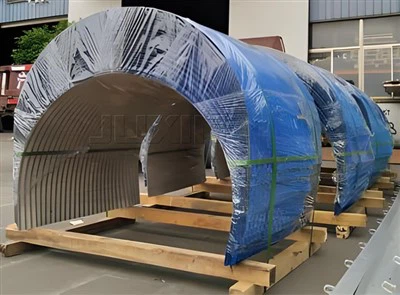
As a supplier of mobile stackers, I understand the importance of adjusting the stacking angle to optimize the performance and efficiency of these machines. In this blog post, I will share some insights on how to adjust the stacking angle of a mobile stacker, taking into account various factors and providing practical steps.
Understanding the Importance of Stacking Angle
The stacking angle of a mobile stacker plays a crucial role in determining the shape and stability of the material pile. A proper stacking angle ensures that the material is evenly distributed, minimizing the risk of collapse or avalanche. It also affects the capacity of the stacker and the overall efficiency of the stacking process.
A steeper stacking angle allows for a taller and more compact pile, which can increase the storage capacity of the area. However, it also requires more power to lift the material to the desired height and may pose a greater risk of instability. On the other hand, a shallower stacking angle results in a wider and flatter pile, which may be more stable but requires more space.
Factors Affecting Stacking Angle
Several factors need to be considered when adjusting the stacking angle of a mobile stacker:
- Material Properties: Different materials have different flow characteristics and angles of repose. The angle of repose is the maximum angle at which a material can be stacked without collapsing. For example, granular materials like sand or gravel typically have a steeper angle of repose compared to cohesive materials like clay or wet soil. Understanding the properties of the material being stacked is essential for determining the appropriate stacking angle.
- Stacker Design: The design of the mobile stacker, including the length and height of the conveyor belt, the type of discharge mechanism, and the presence of any additional features such as telescopic sections or radial movement, can also influence the stacking angle. Some stackers are designed to achieve steeper stacking angles than others, depending on their intended application.
- Site Conditions: The available space, the topography of the site, and the presence of any obstacles or restrictions can affect the stacking angle. For example, if the site has limited space, a steeper stacking angle may be necessary to maximize the storage capacity. Conversely, if there are obstacles or uneven terrain, a shallower stacking angle may be required to ensure the stability of the pile.
- Safety Requirements: Safety is always a top priority when operating a mobile stacker. The stacking angle should be adjusted to ensure that the pile remains stable and does not pose a risk of collapse or avalanche. This may require following specific safety guidelines or regulations, depending on the industry and the location of the site.
Steps to Adjust the Stacking Angle
Once you have considered the factors mentioned above, you can follow these steps to adjust the stacking angle of a mobile stacker:
- Determine the Optimal Angle: Based on the material properties, stacker design, site conditions, and safety requirements, determine the optimal stacking angle for your application. This may involve consulting with the manufacturer's specifications, conducting tests or trials, or seeking advice from industry experts.
- Adjust the Conveyor Belt Angle: Most mobile stackers allow for the adjustment of the conveyor belt angle to change the stacking angle. This can typically be done using hydraulic cylinders or mechanical mechanisms. Follow the manufacturer's instructions to adjust the conveyor belt angle to the desired position.
- Check the Discharge Point: The position of the discharge point of the conveyor belt can also affect the stacking angle. Make sure that the discharge point is aligned with the center of the pile and that the material is being discharged evenly. If necessary, adjust the position of the discharge point to achieve the desired stacking angle.
- Monitor the Pile Formation: As the stacker is operating, monitor the formation of the pile to ensure that the stacking angle is being maintained. If the pile starts to show signs of instability or if the stacking angle is not as expected, make the necessary adjustments to the conveyor belt angle or the discharge point.
- Make Fine-Tuning Adjustments: Depending on the feedback from the pile formation, make fine-tuning adjustments to the stacking angle as needed. This may involve making small changes to the conveyor belt angle or the discharge point to optimize the performance of the stacker.
Tips for Adjusting the Stacking Angle
Here are some additional tips to help you adjust the stacking angle of a mobile stacker effectively:
- Start with a Shallow Angle: If you are unsure of the optimal stacking angle for your material, it is recommended to start with a shallower angle and gradually increase it as you gain more experience. This will help you avoid potential problems such as pile collapse or avalanche.
- Use a Laser Level or Inclinometer: A laser level or inclinometer can be a useful tool for measuring the stacking angle accurately. This will help you ensure that the stacking angle is consistent and within the desired range.
- Keep the Conveyor Belt Clean: A dirty or clogged conveyor belt can affect the flow of the material and the stacking angle. Make sure to keep the conveyor belt clean and free of debris to ensure optimal performance.
- Train Your Operators: Proper training of the operators is essential for adjusting the stacking angle effectively. Make sure that your operators are familiar with the stacker's controls, the adjustment procedures, and the safety guidelines.
- Regularly Inspect and Maintain the Stacker: Regular inspection and maintenance of the mobile stacker are important to ensure that it is operating properly and that the stacking angle can be adjusted accurately. This may involve checking the hydraulic systems, lubricating the moving parts, and replacing any worn or damaged components.
Conclusion
Adjusting the stacking angle of a mobile stacker is an important aspect of optimizing its performance and efficiency. By considering the material properties, stacker design, site conditions, and safety requirements, and following the steps and tips outlined in this blog post, you can ensure that the stacking angle is adjusted correctly and that the pile remains stable and efficient.


If you are in the market for a mobile stacker or need further assistance with adjusting the stacking angle, please feel free to [contact us]. We are a leading supplier of mobile stackers, including Portable Stacker Conveyor, Tracked Stacking Conveyor, and Portable Radial Stacker. Our team of experts can provide you with the guidance and support you need to make the right choice for your application.
References
- Manufacturer's specifications and user manuals
- Industry standards and guidelines
- Technical articles and research papers on mobile stacker operation and design