Hey there! As a pulley supplier, I've seen firsthand how crucial these simple yet ingenious devices are in various machinery. Today, I want to dive into the world of treadmills and explain how pulleys work in a treadmill's belt system.
The Basics of Treadmill Belt Systems
Before we get into the role of pulleys, let's quickly go over the basic components of a treadmill belt system. A treadmill typically consists of a motor, a belt, and a set of rollers. The motor provides the power, the belt is what you run or walk on, and the rollers support and guide the belt.
The belt is looped around the rollers, and when the motor turns, it causes the belt to move. This movement allows you to walk, run, or jog in place. But how do pulleys fit into this equation?
The Role of Pulleys in Treadmill Belt Systems
Pulleys play a vital role in a treadmill's belt system. They help transfer the power from the motor to the belt, ensuring smooth and efficient operation. Here's a closer look at how they work:
Power Transmission
The motor in a treadmill generates rotational force, or torque. This torque needs to be transferred to the belt to make it move. Pulleys act as a link between the motor and the belt, allowing the torque to be transmitted effectively.
A typical treadmill has at least two pulleys: a drive pulley connected to the motor and a driven pulley connected to the roller that moves the belt. The drive pulley is usually smaller in diameter than the driven pulley. When the motor turns the drive pulley, it causes the driven pulley to rotate at a slower speed but with greater torque. This is known as a speed reduction, and it helps to increase the force applied to the belt, making it easier to move.
Belt Tension
Another important function of pulleys in a treadmill's belt system is to maintain proper belt tension. If the belt is too loose, it may slip or bunch up, causing the treadmill to malfunction. On the other hand, if the belt is too tight, it can put excessive stress on the motor and other components, leading to premature wear and tear.
Pulleys help to adjust the tension of the belt by changing the distance between the drive pulley and the driven pulley. Some treadmills have a tensioning mechanism that allows you to manually adjust the tension, while others use automatic tensioning systems that adjust the tension based on the load and speed of the treadmill.
Belt Tracking
In addition to power transmission and belt tension, pulleys also play a role in belt tracking. Belt tracking refers to the ability of the belt to stay centered on the rollers as it moves. If the belt is not properly tracked, it can rub against the sides of the treadmill, causing damage to the belt and other components.
Pulleys help to keep the belt centered by providing a smooth and stable surface for the belt to run on. They also help to guide the belt as it moves, ensuring that it stays in the correct position. Some treadmills have special pulleys called tracking pulleys that are designed to help keep the belt centered.
Types of Pulleys Used in Treadmill Belt Systems
There are several types of pulleys used in treadmill belt systems, each with its own unique features and benefits. Here are some of the most common types:
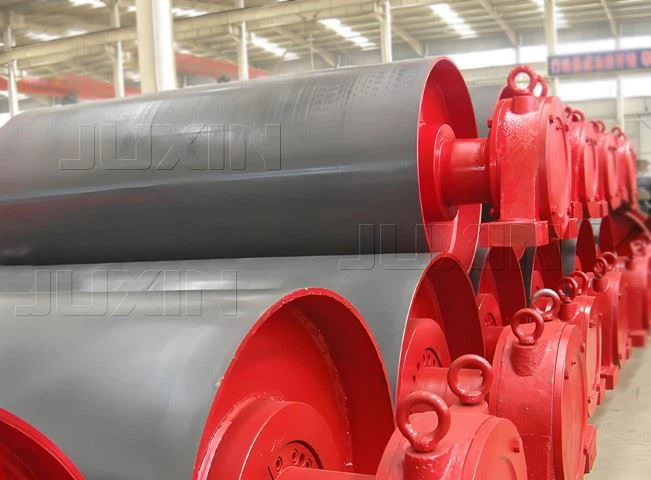

V-Belt Pulleys
V-belt pulleys are the most commonly used type of pulleys in treadmill belt systems. They have a V-shaped groove that matches the shape of the V-belt, which is used to transfer power from the motor to the belt. V-belt pulleys are available in different sizes and configurations, depending on the specific requirements of the treadmill.
Flat Belt Pulleys
Flat belt pulleys are another type of pulleys used in treadmill belt systems. They have a flat surface that is used to support and guide the flat belt, which is used to transfer power from the motor to the belt. Flat belt pulleys are typically used in smaller treadmills or in applications where a V-belt is not suitable.
Timing Belt Pulleys
Timing belt pulleys are used in some treadmills that use a timing belt to transfer power from the motor to the belt. Timing belts have teeth that mesh with the teeth on the timing belt pulleys, providing a positive drive that ensures accurate and precise power transmission. Timing belt pulleys are typically used in high-performance treadmills or in applications where precise speed control is required.
Benefits of Using High-Quality Pulleys in Treadmill Belt Systems
Using high-quality pulleys in a treadmill's belt system can provide several benefits, including:
Improved Performance
High-quality pulleys are designed to provide smooth and efficient power transmission, which can improve the performance of the treadmill. They can also help to reduce noise and vibration, making the treadmill more comfortable to use.
Longer Lifespan
Pulleys that are made from high-quality materials and are designed to withstand the rigors of continuous use can have a longer lifespan than lower-quality pulleys. This can help to reduce maintenance costs and downtime, making the treadmill more reliable and cost-effective.
Better Belt Tracking
High-quality pulleys can help to keep the belt centered and properly tracked, which can reduce the risk of belt damage and improve the overall performance of the treadmill. They can also help to prevent the belt from slipping or bunching up, which can cause the treadmill to malfunction.
Conclusion
In conclusion, pulleys play a crucial role in a treadmill's belt system. They help to transfer power from the motor to the belt, maintain proper belt tension, and keep the belt centered and properly tracked. By using high-quality pulleys, you can improve the performance, lifespan, and reliability of your treadmill.
If you're in the market for pulleys for your treadmill or other machinery, we're here to help. We offer a wide range of high-quality pulleys, including Conveyor Wing Pulley, Conveyor Tail Drum, and Tail Drum Pulley. Our team of experts can help you choose the right pulleys for your specific needs and provide you with the support and service you deserve.
So, if you're interested in learning more about our pulleys or have any questions, please don't hesitate to contact us. We'd love to hear from you and help you find the perfect solution for your pulley needs.
References
- "Treadmill Belt System Basics." Fitness Equipment Maintenance Guide.
- "How Pulleys Work in Machinery." Mechanical Engineering Handbook.
- "Benefits of High-Quality Pulleys." Industrial Equipment Magazine.