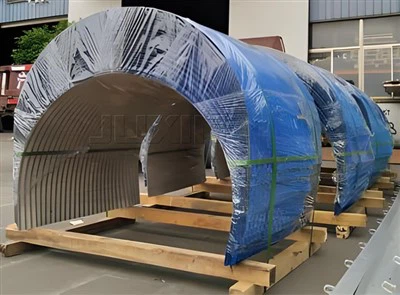
Conveyor systems are the backbone of many industries, facilitating the smooth and efficient movement of materials. Among the numerous components that make up a conveyor system, conveyor wear plates play a pivotal role in determining its overall efficiency. As a leading supplier of Conveyor Wear Plates, I have witnessed firsthand the profound impact these plates have on conveyor operations. In this blog, we'll explore how conveyor wear plates affect conveyor efficiency and why choosing the right ones is crucial for your business.
Understanding Conveyor Wear Plates
Conveyor wear plates are protective components installed on various parts of a conveyor system, such as chutes, hoppers, and troughs, to prevent excessive wear and damage caused by the continuous flow of materials. They act as a barrier between the conveyor structure and the conveyed materials, absorbing the impact and friction generated during the material transfer process. These plates are typically made from high-strength, abrasion-resistant materials like Abrasion Resistant Steel Plate, which can withstand the harsh conditions of industrial environments.
Impact on Conveyor Efficiency
1. Reducing Friction and Energy Consumption
One of the primary ways conveyor wear plates enhance efficiency is by reducing friction between the conveyed materials and the conveyor surface. When materials slide or flow over a rough or unprotected surface, they encounter significant resistance, which requires more energy to move. This increased energy consumption not only drives up operational costs but also puts additional stress on the conveyor system, leading to premature wear and breakdowns.
Conveyor wear plates with a smooth surface finish minimize friction, allowing materials to move more freely along the conveyor. As a result, less energy is required to transport the same amount of material, leading to substantial energy savings over time. For example, in a mining operation where large volumes of ore are transported over long distances, even a small reduction in friction can translate into significant cost savings.
2. Preventing Material Build-Up
Material build-up on conveyor components is a common problem that can severely impede conveyor efficiency. When materials stick to the conveyor surface or accumulate in the chutes and hoppers, it can cause blockages, reduce the flow rate, and even lead to conveyor jams. This not only disrupts the production process but also requires frequent maintenance and cleaning to remove the build-up.
Conveyor wear plates with anti-stick properties help prevent material build-up by reducing the adhesion between the materials and the plate surface. This ensures a continuous and smooth flow of materials through the conveyor system, minimizing downtime and improving overall productivity. Additionally, wear plates that are easy to clean can further simplify maintenance tasks, allowing operators to quickly remove any residual materials and get the conveyor back up and running.
3. Extending Conveyor Lifespan
The continuous impact and abrasion caused by the movement of materials can take a toll on conveyor components, leading to premature wear and failure. Conveyor wear plates act as a sacrificial layer, absorbing the brunt of the wear and protecting the underlying conveyor structure. By reducing the wear and tear on the conveyor system, wear plates can significantly extend its lifespan, reducing the need for frequent repairs and replacements.
This extended lifespan not only saves on capital expenditure but also minimizes the disruption to production caused by equipment downtime. For example, in a manufacturing plant where a conveyor system is a critical part of the production line, replacing a worn-out conveyor can result in hours or even days of lost production. By using high-quality wear plates, companies can avoid these costly disruptions and ensure the smooth operation of their conveyor systems.
4. Enhancing Material Handling Capacity
Conveyor efficiency is also closely related to its material handling capacity. A conveyor system that can handle larger volumes of materials in a shorter period is generally considered more efficient. Conveyor wear plates can play a crucial role in enhancing the material handling capacity of a conveyor system.
Wear plates with a high impact resistance can withstand the force of larger and heavier materials, allowing the conveyor to handle more substantial loads without damage. Additionally, wear plates that are designed to optimize the flow of materials, such as those with a specially engineered surface profile, can increase the throughput of the conveyor system. This means that more materials can be transported in a single pass, improving overall productivity and efficiency.
Choosing the Right Conveyor Wear Plates
Selecting the appropriate conveyor wear plates is essential to maximize their impact on conveyor efficiency. Here are some factors to consider when choosing wear plates:
1. Material Compatibility
The type of material being conveyed is a critical factor in determining the suitable wear plate material. Different materials have varying levels of abrasiveness, corrosiveness, and impact resistance requirements. For example, if you're conveying abrasive materials like sand or gravel, you'll need wear plates made from a highly abrasion-resistant material such as abrasion-resistant steel. On the other hand, if the materials are corrosive, you'll need wear plates with corrosion-resistant properties.
2. Operating Conditions
The operating conditions of the conveyor system, such as temperature, humidity, and the presence of chemicals, can also affect the performance of the wear plates. For example, in high-temperature environments, wear plates made from heat-resistant materials may be required to prevent deformation or degradation. Similarly, in wet or corrosive environments, corrosion-resistant coatings or materials may be necessary to protect the wear plates from damage.
3. Wear Plate Design
The design of the wear plates can also impact their effectiveness. Wear plates with a proper thickness, shape, and surface finish can provide better protection and performance. For example, wear plates with a curved or angled surface can help guide the materials more smoothly along the conveyor, reducing the risk of blockages and improving flow efficiency.
4. Quality and Cost
When choosing conveyor wear plates, it's important to balance quality and cost. While high-quality wear plates may be more expensive upfront, they can provide better performance and durability, resulting in long-term cost savings. It's also important to consider the reputation and reliability of the wear plate supplier to ensure that you're getting a product that meets your requirements.


Conclusion
Conveyor wear plates are an essential component of any conveyor system, playing a crucial role in determining its efficiency and performance. By reducing friction, preventing material build-up, extending the lifespan of the conveyor, and enhancing its material handling capacity, wear plates can help businesses save on energy costs, reduce downtime, and improve overall productivity.
As a trusted supplier of Conveyor Wear Plates, we offer a wide range of high-quality wear plates that are designed to meet the diverse needs of different industries. Our Abrasion Resistant Steel Plate products are made from premium materials and undergo strict quality control measures to ensure exceptional performance and durability.
If you're looking to improve the efficiency of your conveyor system or need advice on choosing the right wear plates, we're here to help. Contact us today to discuss your requirements and learn more about how our conveyor wear plates can benefit your business.
References
- "Conveyor Belt Handbook" - Published by the Conveyor Equipment Manufacturers Association (CEMA)
- "Wear and Tear in Conveyor Systems: Causes and Solutions" - Industrial Maintenance Journal
- "The Impact of Abrasive Materials on Conveyor Components" - Mining Engineering Magazine