


Can an impact bed be used in inclined conveyor systems?
In the world of material handling, conveyor systems are the unsung heroes that keep industries running smoothly. They transport a vast array of materials, from raw minerals in mining operations to packaged goods in distribution centers. Among the various types of conveyor systems, inclined conveyor systems are particularly challenging due to the unique forces and requirements they present. As an impact bed supplier, I often get asked whether an impact bed can be used in inclined conveyor systems. In this blog, I'll delve into this question, exploring the feasibility, benefits, and considerations of using impact beds in inclined conveyor setups.
Understanding Impact Beds
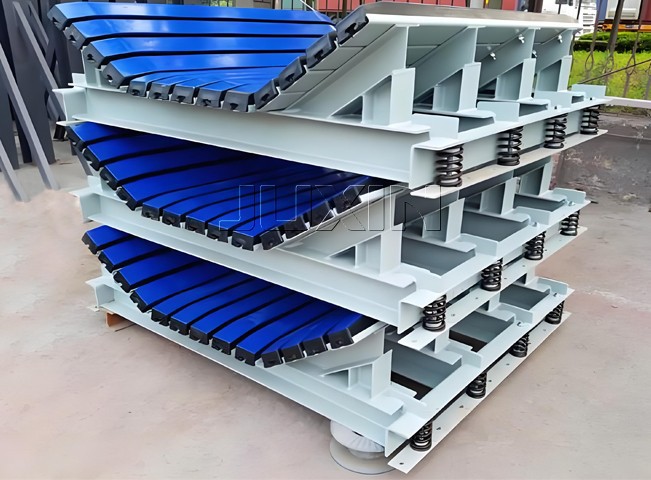
Before we discuss their applicability in inclined conveyor systems, let's briefly understand what impact beds are. Impact beds are essential components in conveyor systems designed to protect the conveyor belt from damage caused by the impact of falling materials. They are typically installed at loading points, where materials are dropped onto the belt. Impact beds consist of a series of impact bars or rollers that provide a stable and cushioned surface for the belt. This helps to distribute the impact force evenly, reducing stress on the belt and preventing issues such as belt tearing, puncturing, and premature wear.
There are different types of impact beds available in the market to suit various applications. For instance, the Heavy Duty Impact Bed is designed for industries that handle large and heavy materials, such as mining and quarrying. It can withstand high impact forces and is built with durable materials to ensure long - term performance. On the other hand, the Quarry Duty Impact Bed is specifically tailored for quarry operations, where the impact from rocky materials can be extremely harsh. And the Impact Bed for Belt Conveyor is a more general - purpose solution that can be used in a wide range of conveyor applications.

Feasibility of Using Impact Beds in Inclined Conveyor Systems
The short answer is yes, impact beds can be used in inclined conveyor systems. However, there are several factors to consider to ensure their effective use.
One of the primary considerations is the angle of inclination. As the conveyor incline increases, the forces acting on the belt and the impact bed change. Gravity plays a more significant role, causing materials to move downwards more rapidly. This can result in greater impact forces when the materials are loaded onto the belt. Impact beds need to be designed and installed to handle these increased forces. For relatively gentle inclines (less than 15 degrees), standard impact beds may work well. But for steeper inclines, specialized impact beds with enhanced shock - absorption capabilities may be required.
Another aspect is the flow of materials on the inclined belt. Unlike horizontal conveyors, where materials tend to stay in place once loaded, on inclined conveyors, materials may slide or roll down the belt if not properly contained. Impact beds need to be designed in such a way that they help to keep the materials centered on the belt and prevent spillage. This can be achieved through the use of side skirts and properly designed impact bar profiles.
Benefits of Using Impact Beds in Inclined Conveyor Systems
Despite the challenges, there are numerous benefits to using impact beds in inclined conveyor systems.
Belt Protection: The most obvious benefit is the protection of the conveyor belt. In inclined systems, the impact of materials can be more severe due to the added force of gravity. Impact beds absorb and distribute the impact energy, reducing the risk of belt damage. This extends the lifespan of the belt, reducing maintenance costs and downtime associated with belt replacements.
Reduced Spillage: As mentioned earlier, impact beds can help to keep the materials centered on the belt. In inclined conveyors, spillage can be a significant problem, not only leading to material loss but also creating safety hazards and increasing cleaning requirements. Impact beds with side skirts and proper design can minimize spillage, improving the overall efficiency of the conveyor system.
Improved Conveyor Performance: By reducing the stress on the belt and preventing damage, impact beds contribute to the smooth operation of the conveyor. This leads to more reliable and consistent material transport, which is crucial in industries where production schedules are tight.
Cost Savings: While there is an initial investment in purchasing and installing impact beds, the long - term cost savings are substantial. Lower belt replacement costs, reduced maintenance requirements, and increased productivity all contribute to a significant return on investment.
Considerations for Using Impact Beds in Inclined Conveyor Systems
When using impact beds in inclined conveyor systems, the following considerations should be taken into account:
Installation: Proper installation is crucial for the effective functioning of impact beds. In inclined systems, the impact bed needs to be installed at the correct angle to ensure that it can handle the forces generated by the inclined belt. The impact bars or rollers should be aligned properly to provide a smooth surface for the belt.
Maintenance: Regular maintenance is essential to keep the impact beds in good working condition. In inclined conveyor systems, the impact beds may be subject to more wear and tear due to the increased forces. This includes inspecting the impact bars for damage, checking the alignment, and replacing worn - out components as needed.
Material Flow Characteristics: Different materials have different flow characteristics on inclined belts. For example, free - flowing materials may slide more easily, while sticky or cohesive materials may require a different type of impact bed design. It is important to understand the properties of the materials being conveyed and select the appropriate impact bed accordingly.
System Compatibility: The impact bed should be compatible with the rest of the conveyor system. This includes the type of belt, the conveyor speed, and the loading rate. Using an incompatible impact bed can lead to problems such as belt tracking issues and reduced performance.
Conclusion
In conclusion, an impact bed can be effectively used in inclined conveyor systems, but it requires careful consideration of multiple factors. The angle of inclination, material flow, installation, maintenance, and system compatibility all play crucial roles in determining the success of using impact beds in these challenging environments.
As an impact bed supplier, we have the expertise and a wide range of products, such as the Heavy Duty Impact Bed, Quarry Duty Impact Bed, and Impact Bed for Belt Conveyor, to meet the diverse needs of inclined conveyor systems. If you are interested in learning more about how our impact beds can improve the performance and longevity of your inclined conveyor system, we encourage you to reach out to us for a detailed discussion. We can provide customized solutions based on your specific requirements and help you make an informed decision. Whether you are in the mining, quarrying, or any other industry that relies on inclined conveyor systems, we are here to assist you in optimizing your material handling processes.
References
- Conveyor Equipment Manufacturers Association (CEMA). Conveyor Design Manual.
- ASME B20.1 - Safety Standard for Conveyors and Related Equipment.
- Industry white papers on conveyor system design and maintenance.


