As a supplier of nylon conveyor belts, I am often asked about the suitability of these belts for transporting lightweight materials. In this blog, I'll delve into the characteristics of nylon conveyor belts, analyze their applicability in the transportation of lightweight materials, and provide some practical insights based on industry knowledge and experience.
Characteristics of Nylon Conveyor Belts
Nylon conveyor belts are well - known for several outstanding features. First, nylon is a synthetic polymer with high tensile strength. This means that even in relatively thin - belt thicknesses, nylon conveyor belts can withstand significant pulling forces without breaking or stretching excessively. For example, in a long - distance conveyor system where the belt has to cover a large area, the high tensile strength of nylon ensures that the belt can operate smoothly without the need for frequent replacements due to breakage.
Secondly, nylon conveyor belts offer good flexibility. This flexibility allows the belts to easily adapt to different conveyor configurations, such as curved or inclined conveyors. When it comes to lightweight materials, this flexibility is crucial as it enables the belt to move the materials smoothly through the conveyor system, regardless of the path. Whether it's a small - scale factory conveyor or a large - scale industrial setup, the ability of a nylon conveyor belt to navigate complex conveyor paths can be a significant advantage.
Another important characteristic is the abrasion resistance of nylon conveyor belts. In an industrial environment, the belt is constantly in contact with the conveyor rollers, pulleys, and the materials themselves. For lightweight materials, which may be abrasive in nature, like fine powders or small plastic particles, the abrasion - resistant property of nylon helps to prolong the belt's service life. This reduces the frequency of belt replacements and maintenance costs, making it an economical choice in the long run.
In addition, nylon conveyor belts have good chemical resistance. They can resist the effects of many common chemicals and solvents, which is beneficial when transporting lightweight chemical - based materials or products in a manufacturing or processing plant. This chemical resistance ensures that the belt's performance is not compromised by exposure to these substances, maintaining its integrity and reliability over time.
Suitability for Transporting Lightweight Materials
Advantages
- Gentle Handling: Lightweight materials, such as small electronic components or delicate food products, require gentle handling to avoid damage. The smooth surface of nylon conveyor belts provides a stable and gentle platform for these materials. The flexibility of the belt also helps in reducing the impact on the materials during transportation, ensuring that they remain intact. For example, in the electronics industry, where components are often very small and fragile, a nylon conveyor belt can transport them from one production stage to another without causing any physical damage.
- Efficient Transportation: The high tensile strength and flexibility of nylon conveyor belts allow for high - speed operation. For lightweight materials, which can be easily moved, the belt can quickly transport them through the conveyor system, increasing the overall productivity of the operation. In a food packaging plant, where small packets of snacks need to be moved rapidly between different stations, a nylon conveyor belt can ensure a continuous and efficient flow of products.
- Cost - Effective: As mentioned earlier, the abrasion resistance and long service life of nylon conveyor belts make them a cost - effective choice for transporting lightweight materials. In a small - to medium - sized business, where cost control is crucial, a nylon conveyor belt can provide a reliable solution at a relatively low cost compared to some other types of conveyor belts.
- Cleanliness: Nylon materials are relatively easy to clean. This is especially important when transporting lightweight food or pharmaceutical materials, where hygiene standards are strict. The smooth surface of the nylon conveyor belt does not retain dirt or debris easily, and it can be quickly cleaned to meet the required sanitation levels.
Considerations
However, there are also some considerations when using nylon conveyor belts for transporting lightweight materials. One of the main issues is electrostatic charges. Nylon can generate static electricity during operation, which may attract dust or cause problems with lightweight, electrically - sensitive materials. In such cases, anti - static treatments or additives can be applied to the belt to mitigate this problem.
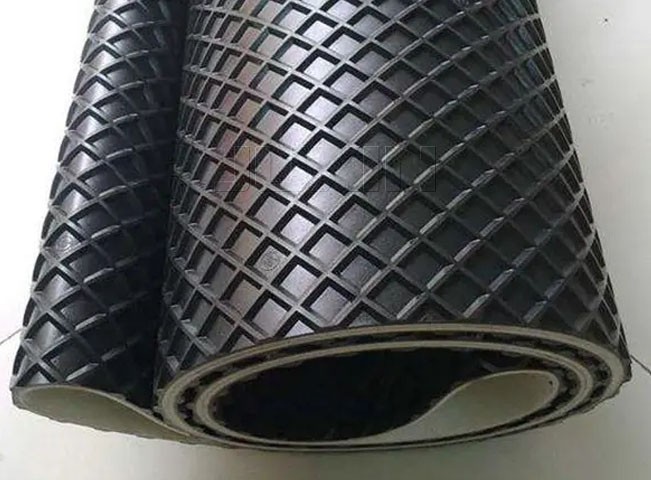
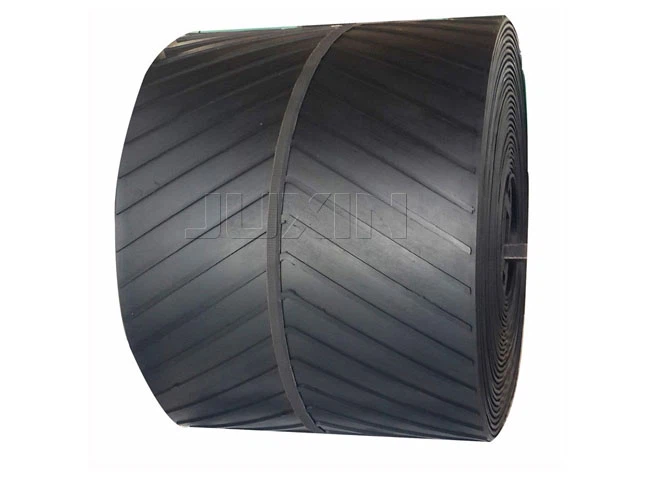
Another consideration is the adhesion of materials. Some lightweight materials may stick to the belt surface, especially if they are sticky or have a high - friction surface. This can lead to material accumulation on the belt, which may affect the performance of the conveyor system. In these situations, choosing a Patterned Conveyor Belt with a specific pattern or texture can help to prevent material adhesion and ensure smooth transportation.
Applications in Different Industries
Electronics Industry
In the electronics industry, lightweight components such as microchips, resistors, and capacitors need to be transported between different production stages. Nylon conveyor belts are widely used due to their gentle handling and high - speed operation capabilities. The belts can be customized to meet the specific requirements of the electronics manufacturing process, such as providing a clean and static - free environment.
Food Industry
For the food industry, nylon conveyor belts are suitable for transporting various lightweight food products, such as cookies, chips, and fruits. Their cleanability and chemical resistance make them compliant with food safety regulations. The smooth surface of the belt also ensures that the food products are not damaged during transportation.
Pharmaceutical Industry
In the pharmaceutical industry, where strict hygiene and precision are required, nylon conveyor belts are used to transport lightweight pills, capsules, and small medical devices. The belts can be easily cleaned and sterilized, and their high - precision operation helps to ensure the accurate movement of these products through the production line.
Comparison with Other Types of Conveyor Belts
When comparing nylon conveyor belts with other types of conveyor belts for transporting lightweight materials, it's important to consider their respective advantages and disadvantages.
PVC Conveyor Belts
PVC conveyor belts are also commonly used for transporting lightweight materials. They are known for their smooth surface and good chemical resistance. However, PVC belts may have lower tensile strength compared to nylon conveyor belts, especially in longer - distance or high - tension applications. Nylon belts can provide better performance in these situations due to their high - strength properties.
Heat Resistant Conveyor Belt
When it comes to applications where heat resistance is required, heat - resistant conveyor belts are an option. But for general lightweight material transportation in normal temperature environments, nylon conveyor belts are often a more economical and versatile choice. They offer sufficient performance without the need for the specialized heat - resistant properties, which can come at a higher cost.
Conclusion
In conclusion, nylon conveyor belts are generally highly suitable for transporting lightweight materials. Their high tensile strength, flexibility, abrasion resistance, and cost - effectiveness make them a popular choice in many industries. However, it's important to be aware of the potential issues, such as electrostatic charges and material adhesion, and take appropriate measures to address them.
As a supplier of Nylon Conveyor Belt, we have a wide range of products to meet different customer needs. Whether you are in the electronics, food, or pharmaceutical industry, we can provide you with the right nylon conveyor belt solution. If you are interested in our products or have any questions about transporting lightweight materials, we invite you to contact us for further discussion and procurement negotiation.
References
- "Conveyor Belt Handbook", Industry Press, 2020
- "Materials Science for Conveyor Systems", Academic Publishers, 2018
- Various industry reports on conveyor belt applications in different sectors.