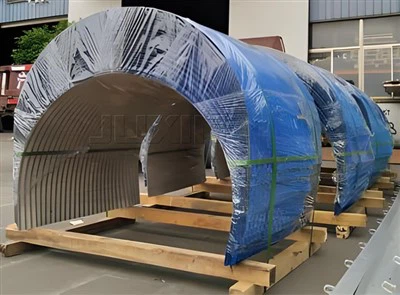
Are conveyor wear plates suitable for inclined conveyors? This is a question I often encounter as a supplier of Conveyor Wear Plates. Conveyor systems play a crucial role in various industries, such as mining, construction, and manufacturing. Inclined conveyors are particularly challenging as they have to deal with both the weight of the materials being transported and the force of gravity working against the movement of the conveyor belt.
Understanding Conveyor Wear Plates
Conveyor wear plates are designed to protect the conveyor structure from abrasion, impact, and corrosion caused by the materials being transported. They are typically made from high - strength and wear - resistant materials, such as Abrasion Resistant Steel Plate. These plates are installed on the conveyor trough, skirting, or other areas where the conveyor comes into contact with the transported materials.
The main function of conveyor wear plates is to extend the service life of the conveyor system. By reducing the wear and tear on the conveyor components, they can help minimize downtime for maintenance and replacement, which in turn can lead to significant cost savings for the operation.
Suitability for Inclined Conveyors
When it comes to inclined conveyors, conveyor wear plates can be highly suitable, but several factors need to be considered.
1. Material Flow and Stability
On an inclined conveyor, the materials tend to slide back due to gravity. This can cause increased friction and abrasion between the materials and the conveyor surface. Conveyor wear plates can help in maintaining a stable flow of materials. High - friction wear plates can be used to increase the grip on the materials, preventing them from sliding back. This is especially important when transporting loose or granular materials, such as coal, sand, or gravel.
However, if the angle of inclination is too steep, even the best - designed wear plates may not be sufficient to prevent material slippage. In such cases, additional features like cleats or裙边 (not using the actual Chinese word here, but relevant concept is described) on the conveyor belt may be required in conjunction with wear plates.
2. Impact Resistance
Inclined conveyors are often subject to greater impact forces compared to horizontal conveyors. As the materials are fed onto the conveyor at an elevated position, they can fall with more force, especially if the feed rate is high. Conveyor wear plates with high impact resistance are essential in these situations. The wear plates act as a buffer, absorbing the impact energy and protecting the underlying conveyor structure.


For example, in a mine where large rocks are being transported on an inclined conveyor, a wear plate made from extremely tough and abrasion - resistant steel can withstand the repeated impacts of the heavy rocks without being damaged.
3. Corrosion Protection
In many industrial environments, the materials being transported may contain corrosive substances. On inclined conveyors, the water or other corrosive liquids may accumulate in certain areas due to the slope. Conveyor wear plates can be coated or made from corrosion - resistant materials to prevent rust and degradation. This is crucial for maintaining the integrity of the conveyor system over time.
Advantages of Using Conveyor Wear Plates on Inclined Conveyors
1. Cost - Effectiveness
Although the initial investment in conveyor wear plates may seem significant, they can provide long - term cost savings. By reducing the need for frequent repairs and replacements of the conveyor components, they can lower the overall maintenance costs. Additionally, the increased service life of the conveyor system means less downtime, which can result in higher productivity and greater revenue for the business.
2. Improved Performance
As mentioned earlier, wear plates can enhance the flow of materials on inclined conveyors. This leads to a more efficient and reliable conveyor operation. The reduced friction and improved stability also contribute to a smoother movement of the conveyor belt, which can reduce the energy consumption of the conveyor system.
3. Customization
Conveyor wear plates can be customized to meet the specific requirements of inclined conveyors. Different materials, thicknesses, and surface treatments can be chosen based on the type of materials being transported, the angle of inclination, and the operating environment. This allows for an optimized solution that provides the best protection and performance for the conveyor system.
Considerations When Selecting Conveyor Wear Plates for Inclined Conveyors
1. Material Selection
The choice of material for the wear plates depends on several factors. For instance, if the materials being transported are highly abrasive, such as ores or concrete, a hard and strong steel wear plate may be the best option. On the other hand, if corrosion is a major concern, a stainless - steel or coated wear plate should be considered.
2. Plate Thickness
The thickness of the wear plate is also important. A thicker plate can provide more durability and protection, but it may also add more weight to the conveyor system. Therefore, a balance needs to be struck between the required level of protection and the additional weight that the conveyor can handle.
3. Installation
Proper installation of the wear plates is crucial for their effectiveness. They should be installed securely to ensure that they do not move or shift during operation. Any gaps or misalignments can lead to uneven wear and reduced performance.
Conclusion
In conclusion, conveyor wear plates are generally suitable for inclined conveyors, offering numerous benefits such as improved material flow, impact resistance, and corrosion protection. However, careful consideration of various factors, including material selection, plate thickness, and installation, is necessary to ensure optimal performance.
If you are in the process of setting up an inclined conveyor system or looking to upgrade your existing one, I encourage you to contact us for more information about our Conveyor Wear Plates. We have a wide range of products and solutions to meet your specific needs. Our team of experts can provide professional advice and support to help you make the best decision for your conveyor system.
References
- Conveyor Belt Handbook, published by a well - known industry association.
- Research papers on conveyor system optimization from leading academic journals.