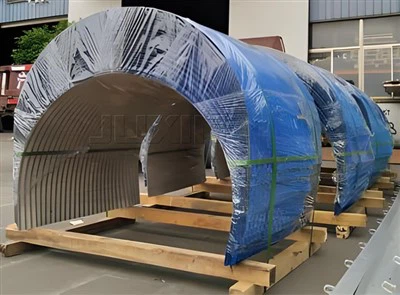
Transporting a mobile stacker is a complex process that requires careful planning, appropriate equipment, and adherence to safety regulations. As a mobile stacker supplier, I understand the intricacies involved in ensuring that these valuable machines are transferred from one location to another without damage or disruption. In this blog post, I will share insights on how to transport a mobile stacker safely and efficiently.
Pre - transport Planning
Before initiating the transport process, a series of preparatory steps are essential. First and foremost, conduct a detailed inspection of the mobile stacker. Check for any loose parts, signs of wear, or mechanical issues that could potentially worsen during transit. Ensure that all safety features are in working order, such as emergency stops, guardrails, and warning signs.
Next, measure the dimensions and weight of the mobile stacker. This information is crucial for selecting the correct transportation method and vehicle. Mobile stackers come in various sizes and configurations, such as the Radial Telescopic Stacker, Tracked Radial Stacker, and Tracked Stacking Conveyor. Each type may have different weight and size specifications that influence the transport requirements.
Research and obtain the necessary permits for transporting the mobile stacker. Different regions have specific regulations regarding the movement of large and heavy equipment on public roads. These permits ensure compliance with traffic laws and prevent legal complications during transit.


Selecting the Right Transport Method
The choice of transport method depends on several factors, including the distance of transport, the size and weight of the mobile stacker, and the budget.
Road Transport
For relatively short - distance transports, road transport is often the most practical option. Trucks with flatbeds or specialized trailers can be used to carry mobile stackers. When choosing a truck, ensure that it has the appropriate weight - carrying capacity and size to accommodate the stacker. Secure the mobile stacker to the truck using high - strength straps, chains, or other suitable restraints. Make sure that the load is balanced to prevent shifting during transit, which could lead to accidents or damage to the equipment.
Rail Transport
For long - distance transports, rail transport can be a more cost - effective and efficient choice. Railcars can handle larger and heavier loads compared to trucks. However, rail transport requires additional coordination, as the stacker needs to be loaded and unloaded at rail yards. Specialized equipment, such as cranes, may be required for this process. Ensure that the railcar is properly insulated and protected to prevent any damage to the mobile stacker during the journey.
Sea Transport
If the mobile stacker needs to be transported overseas or across large bodies of water, sea transport is the obvious choice. Shipping containers or roll - on/roll - off (Ro - Ro) vessels can be used. When using a shipping container, the stacker should be disassembled into smaller, more manageable parts if necessary. This not only makes it easier to fit the equipment into the container but also reduces the risk of damage. For Ro - Ro vessels, the mobile stacker can be driven directly onto the ship, which simplifies the loading and unloading process.
Loading and Unloading
Loading and unloading are critical stages in the transportation process. Use appropriate lifting equipment, such as cranes or forklifts, to move the mobile stacker onto the transport vehicle. Ensure that the lifting equipment is properly maintained and has the necessary capacity to handle the weight of the stacker.
During loading, position the mobile stacker carefully on the transport vehicle. If using a flatbed truck, place the stacker in the center to maintain balance. Use blocking materials, such as wooden blocks or rubber pads, to prevent the stacker from sliding or shifting.
Unloading should be carried out with the same level of care as loading. Follow the reverse process of loading, using the appropriate lifting equipment to move the stacker off the transport vehicle and onto its final destination.
Safety Considerations
Safety should always be the top priority when transporting a mobile stacker. Provide clear instructions to the transport crew regarding the handling of the equipment. Ensure that all crew members are trained in the proper use of lifting equipment and the safety protocols for transporting heavy machinery.
During transit, monitor the mobile stacker regularly, especially if it is a long - distance journey. Check the restraints periodically to ensure that they are still secure. In case of adverse weather conditions, such as heavy rain, snow, or strong winds, take appropriate precautions to protect the stacker and ensure the safety of the transport crew.
Documentation
Maintain detailed documentation throughout the transport process. This includes the inspection reports, permit documents, loading and unloading records, and any other relevant information. Documentation not only helps in ensuring compliance with regulations but also provides a record of the condition of the mobile stacker before, during, and after transport. In case of any disputes or insurance claims, the documentation serves as valuable evidence.
Post - transport Inspection
Once the mobile stacker has reached its destination, conduct another thorough inspection. Check for any signs of damage that may have occurred during transit. If any issues are found, document them immediately and work with the transport company to resolve the matter. This may involve filing an insurance claim or seeking compensation for the damage.
Conclusion
Transporting a mobile stacker requires careful planning, the right choice of transport method, and strict adherence to safety protocols. By following the steps outlined in this blog post, you can ensure that your mobile stacker is transported safely and efficiently, minimizing the risk of damage and disruption.
If you are in the market for a high - quality mobile stacker or need advice on transporting your existing equipment, we are here to help. Our team of experts can provide you with customized solutions based on your specific needs. Contact us to start a discussion about your mobile stacker requirements and let us assist you in making the best decisions for your business.
References
- Industry standards for heavy equipment transportation
- Local traffic and transport regulations