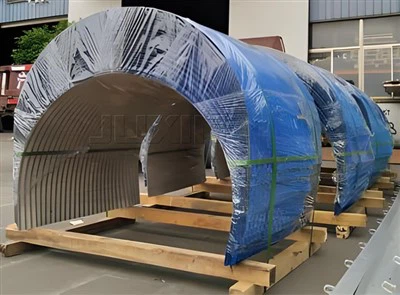
When it comes to conveyor systems, stringers play a crucial role in providing structural support and ensuring the smooth operation of the conveyor belt. As a leading stringer supplier, I often receive inquiries about the dimensions of a standard stringer. In this blog post, I will delve into the various aspects of stringer dimensions, including the standard sizes, factors that influence them, and how to choose the right stringer for your specific needs.
Standard Dimensions of a Stringer
The dimensions of a standard stringer can vary depending on the type of conveyor system and its intended application. However, there are some common dimensions that are widely used in the industry.
Length
The length of a stringer is typically determined by the length of the conveyor system. It can range from a few feet to several hundred feet, depending on the requirements of the application. In general, stringers are available in standard lengths of 10 feet, 12 feet, 16 feet, and 20 feet. However, custom lengths can also be manufactured to meet specific project needs.
Width
The width of a stringer is another important dimension that affects its performance. It is usually determined by the width of the conveyor belt and the load capacity of the system. For light-duty applications, stringers with a width of 4 inches to 6 inches are commonly used. Medium-duty applications may require stringers with a width of 8 inches to 10 inches, while heavy-duty applications may need stringers with a width of 12 inches or more.
Height
The height of a stringer is determined by the height of the conveyor belt and the clearance required for the operation of the system. It is typically measured from the bottom of the stringer to the top of the belt support. In general, stringers with a height of 6 inches to 12 inches are commonly used for most applications. However, custom heights can also be manufactured to meet specific project needs.
Thickness
The thickness of a stringer is an important factor that affects its strength and durability. It is usually determined by the load capacity of the system and the type of material used. For light-duty applications, stringers with a thickness of 1/8 inch to 3/16 inch are commonly used. Medium-duty applications may require stringers with a thickness of 1/4 inch to 3/8 inch, while heavy-duty applications may need stringers with a thickness of 1/2 inch or more.
Factors That Influence Stringer Dimensions
Several factors can influence the dimensions of a stringer, including the type of conveyor system, the load capacity, the operating environment, and the material used.
Type of Conveyor System
The type of conveyor system is one of the most important factors that influence the dimensions of a stringer. Different types of conveyor systems, such as belt conveyors, roller conveyors, and chain conveyors, have different requirements for stringer dimensions. For example, belt conveyors typically require stringers with a smooth surface to prevent the belt from slipping, while roller conveyors may require stringers with a more rugged surface to support the rollers.
Load Capacity
The load capacity of the conveyor system is another important factor that influences the dimensions of a stringer. The stringer must be able to support the weight of the conveyor belt, the load being transported, and any additional forces that may be applied during operation. The load capacity of a stringer is typically determined by its cross-sectional area, the material used, and the design of the stringer.
Operating Environment
The operating environment is also an important factor that influences the dimensions of a stringer. Stringers that are used in harsh environments, such as mines, quarries, and chemical plants, may require additional protection against corrosion, abrasion, and impact. In such cases, stringers may be made from materials such as stainless steel, galvanized steel, or fiberglass, and may have a thicker wall thickness or a special coating to provide additional protection.
Material Used
The material used to manufacture the stringer is another important factor that influences its dimensions. Different materials have different properties, such as strength, stiffness, and corrosion resistance, which can affect the design and dimensions of the stringer. For example, steel is a commonly used material for stringers because it is strong, durable, and relatively inexpensive. However, aluminum may be a better choice for applications where weight is a concern, such as in aerospace or automotive industries.
Choosing the Right Stringer for Your Needs
Choosing the right stringer for your specific needs requires careful consideration of several factors, including the type of conveyor system, the load capacity, the operating environment, and the material used. Here are some tips to help you choose the right stringer for your needs:
Determine the Type of Conveyor System
The first step in choosing the right stringer is to determine the type of conveyor system you are using. Different types of conveyor systems have different requirements for stringer dimensions, so it is important to choose a stringer that is compatible with your system.
Calculate the Load Capacity
The next step is to calculate the load capacity of your conveyor system. This will help you determine the minimum cross-sectional area and thickness of the stringer required to support the weight of the conveyor belt, the load being transported, and any additional forces that may be applied during operation.
Consider the Operating Environment
The operating environment is also an important factor to consider when choosing a stringer. If your conveyor system is used in a harsh environment, such as a mine, quarry, or chemical plant, you may need to choose a stringer that is made from a material that is resistant to corrosion, abrasion, and impact.
Choose the Right Material
The material used to manufacture the stringer is another important factor to consider. Different materials have different properties, such as strength, stiffness, and corrosion resistance, which can affect the design and dimensions of the stringer. Choose a material that is suitable for your specific application and operating environment.
Consult with a Professional
If you are unsure about which stringer to choose for your specific needs, it is always a good idea to consult with a professional. A qualified engineer or conveyor system specialist can help you determine the right stringer dimensions and material for your application, and can provide you with recommendations and advice on installation and maintenance.
Conclusion
In conclusion, the dimensions of a standard stringer can vary depending on the type of conveyor system, the load capacity, the operating environment, and the material used. As a leading stringer supplier, we offer a wide range of stringers in different sizes and materials to meet the needs of our customers. Whether you are looking for a Belt Conveyor Stringer or a Conveyor Stringer Frame, we have the expertise and experience to help you choose the right stringer for your specific needs.
If you have any questions or need further information about our stringers, please do not hesitate to contact us. Our team of experts is always ready to assist you with your procurement needs and to provide you with the best possible solutions for your conveyor systems.


References
- Conveyor Equipment Manufacturers Association (CEMA). Conveyor Equipment Handbook.
- American Society of Mechanical Engineers (ASME). B20.1 - Safety Standard for Conveyors and Related Equipment.