


Adjusting the tension of nylon conveyor belts is a crucial task that directly impacts the efficiency, safety, and longevity of your conveyor system. As a nylon conveyor belt supplier, I have witnessed firsthand the importance of proper tension adjustment in various industrial settings. In this blog post, I will share some practical insights and step-by-step guidelines on how to adjust the tension of nylon conveyor belts effectively.
Understanding the Importance of Conveyor Belt Tension
Before delving into the adjustment process, it's essential to understand why proper tension is so critical. A conveyor belt that is too loose can cause slippage, which leads to reduced efficiency and increased wear and tear on the belt and other components. On the other hand, an over-tightened belt can put excessive stress on the bearings, motors, and other parts of the conveyor system, leading to premature failure and costly repairs.
Proper tension ensures that the belt runs smoothly and consistently, maintains proper tracking, and minimizes the risk of product spillage. It also helps to extend the lifespan of the belt, reducing the frequency of replacements and associated costs.
Factors Affecting Conveyor Belt Tension
Several factors can affect the tension of a nylon conveyor belt, including:
- Belt Length and Width: Longer and wider belts require more tension to maintain proper tracking and prevent sagging.
- Belt Speed: Higher belt speeds generate more centrifugal force, which can cause the belt to stretch and lose tension.
- Load Capacity: Heavier loads require more tension to prevent slippage and ensure smooth operation.
- Temperature and Humidity: Extreme temperatures and high humidity can cause the belt to expand or contract, affecting its tension.
- Belt Material and Construction: Different types of nylon conveyor belts have different stretch characteristics, which can impact the amount of tension required.
Tools Required for Tension Adjustment
Before you begin adjusting the tension of your nylon conveyor belt, you will need the following tools:
- Wrenches or Socket Set: To adjust the tensioning bolts on the conveyor system.
- Tension Meter: To measure the tension of the belt accurately.
- Straight Edge: To check the alignment of the belt.
- Safety Equipment: Such as gloves and safety glasses to protect yourself during the adjustment process.
Step-by-Step Guide to Adjusting Conveyor Belt Tension
The following steps outline a general process for adjusting the tension of a nylon conveyor belt. However, it's important to note that the specific steps may vary depending on the type and design of your conveyor system. Always refer to the manufacturer's instructions for detailed guidance.
Step 1: Stop the Conveyor System
Before making any adjustments, ensure that the conveyor system is powered off and locked out to prevent accidental startup. This will help to ensure your safety and prevent damage to the conveyor system.
Step 2: Inspect the Belt
Inspect the belt for any signs of damage, wear, or misalignment. Look for cuts, tears, fraying, or uneven wear on the belt surface. Check the belt edges for any signs of curling or damage. If you notice any issues, address them before proceeding with the tension adjustment.
Step 3: Locate the Tensioning Devices
Most conveyor systems are equipped with tensioning devices, such as take-up frames, screw tensioners, or gravity take-ups. Locate these devices on your conveyor system and familiarize yourself with their operation.
Step 4: Measure the Initial Belt Tension
Use a tension meter to measure the initial tension of the belt. Refer to the manufacturer's specifications for the recommended tension range for your belt. If the tension is outside the recommended range, proceed to the next step.
Step 5: Adjust the Tension
Depending on the type of tensioning device on your conveyor system, you can adjust the tension by:
- Screw Tensioners: Use a wrench or socket set to turn the tensioning bolts clockwise to increase the tension or counterclockwise to decrease the tension. Make small adjustments at a time and recheck the tension after each adjustment.
- Gravity Take-Ups: If your conveyor system is equipped with a gravity take-up, you can adjust the tension by adding or removing weights from the take-up frame.
- Take-Up Frames: Some conveyor systems use take-up frames to adjust the tension. To adjust the tension, loosen the bolts on the take-up frame and move the frame forward or backward to increase or decrease the tension. Retighten the bolts after making the adjustment.
Step 6: Check the Belt Alignment
After adjusting the tension, use a straight edge to check the alignment of the belt. The belt should run straight and centered on the conveyor rollers. If the belt is misaligned, adjust the tensioning devices or the conveyor rollers to correct the alignment.
Step 7: Recheck the Belt Tension
Once you have adjusted the tension and checked the belt alignment, use the tension meter to recheck the belt tension. Ensure that the tension is within the recommended range specified by the manufacturer.
Step 8: Start the Conveyor System
After confirming that the belt tension and alignment are correct, start the conveyor system and observe its operation. Check for any signs of slippage, noise, or vibration. If you notice any issues, stop the conveyor system immediately and make further adjustments.
Tips for Maintaining Proper Conveyor Belt Tension
- Regular Inspections: Conduct regular inspections of your conveyor belt to check for signs of wear, damage, or misalignment. Address any issues promptly to prevent further damage and ensure proper tension.
- Proper Installation: Ensure that your conveyor belt is installed correctly and according to the manufacturer's instructions. Improper installation can lead to uneven tension and premature belt failure.
- Temperature and Humidity Control: Maintain a stable temperature and humidity environment in your facility to prevent the belt from expanding or contracting due to environmental factors.
- Lubrication: Keep the conveyor rollers and other moving parts properly lubricated to reduce friction and wear on the belt.
- Training: Provide proper training to your employees on how to operate and maintain the conveyor system, including how to adjust the belt tension.
Conclusion
Adjusting the tension of nylon conveyor belts is a critical task that requires careful attention to detail and proper technique. By following the steps outlined in this blog post and implementing the tips for maintaining proper tension, you can ensure the efficient, safe, and reliable operation of your conveyor system.
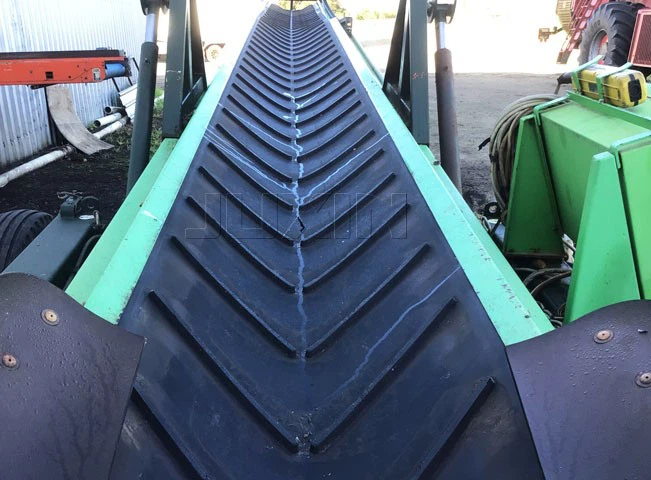
As a nylon conveyor belt supplier, we offer a wide range of high-quality conveyor belts, including Heat Resistant Conveyor Belt, Chevron Rubber Conveyor Belt, and Patterned Conveyor Belt. Our experienced team can also provide expert advice and support on conveyor belt selection, installation, and maintenance.
If you have any questions or need assistance with adjusting the tension of your nylon conveyor belt or selecting the right conveyor belt for your application, please don't hesitate to contact us. We look forward to working with you to meet your conveyor belt needs.

References
- Conveyor Belt Handbook, Manufacturer XYZ
- Industrial Conveyor Systems: Design and Operation, Author ABC
- Belt Conveyors for Bulk Materials: Fifth Edition, Author DEF


